

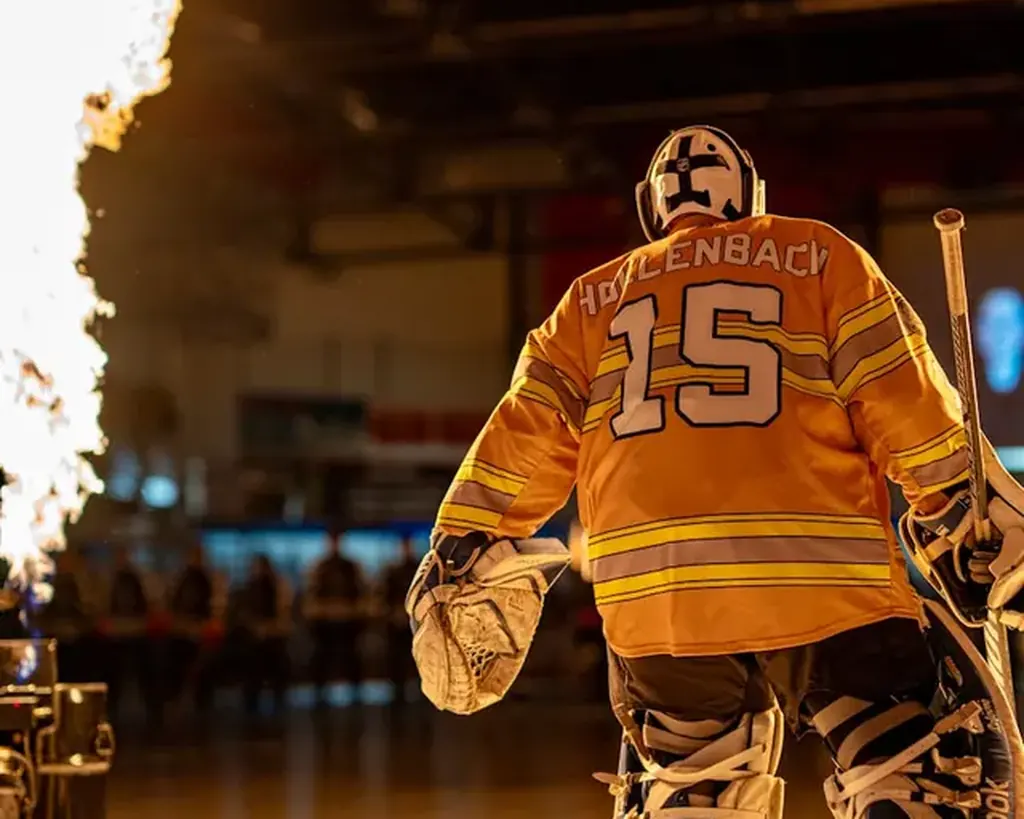
The Vancouver Canucks’ performance in overtime during the 2023-24 NHL season presented a unique and critical challenge. While the team established itself as a dominant force within the NHL Pacific Division during regulation, their inability to consistently secure the extra point in overtime and the shootout threatened to undermine their standings position and postseason aspirations. This case study examines the strategic pivot orchestrated by Head Coach Rick Tocchet and General Manager Patrik Allvin, analyzing the specific on-ice adjustments, personnel deployments, and philosophical changes implemented to transform a liability into a strength. The results, quantified by a dramatic shift in their overtime record, directly contributed to the club’s successful qualification for the Stanley Cup Playoffs and solidified their identity as a resilient, detail-oriented contender.
Background / Challenge
For the Vancouver Canucks, the 2023-24 campaign was defined by a return to competitiveness. Bolstered by Hart Trophy-caliber seasons from Elias Pettersson and Quinn Hughes, and Vezina-quality goaltending from Thatcher Demko, the Canucks spent much of the season atop the NHL standings. However, a glaring weakness emerged as a potential fissure in their championship foundation: their performance beyond regulation time.
By the mid-season mark, the Canucks had developed a troubling pattern. In games tied after 60 minutes, they frequently struggled to control play during the 3-on-3 overtime period, often appearing passive and reactive. This led to a disproportionate number of contests bleeding into the shootout, a scenario that historically proved to be a coin flip. The core challenge was multifaceted:
- Strategic Passivity: An overemphasis on preventing the opposition’s high-danger chances led to ceding possession and offensive-zone time.
- Personnel Mismatch: Deploying players better suited for heavy, cycle-based 5-on-5 play in the open ice of 3-on-3.
- Psychological Weight: Each overtime loss compounded pressure, creating a mental hurdle for a team with high expectations.
Approach / Strategy
Recognizing the issue was not one of effort but of execution and philosophy, the Canucks’ coaching staff initiated a targeted strategic review. The approach moved away from a conservative, “don’t-lose” mentality and toward a proactive, “go-and-win” framework. This shift was built on several core pillars:
- Possession as the Best Defense: The primary strategic tenet became puck possession. In 3-on-3 overtime, without the threat of a line change for the opponent, holding the puck is the ultimate defensive tool. The directive shifted from simply defending the net to controlling the puck in the offensive zone, forcing the opposition to defend and expend energy.
- Defined Personnel Groups: Tocchet moved away from ad-hoc line combinations. He identified and drilled specific duos and trios tailored for the 3-on-3 format. The ideal profile shifted to include players with exceptional puck-handling, lateral mobility, and hockey IQ, prioritizing the ability to maintain possession under pressure over pure physicality.
- Structured Aggression: Instead of a passive box formation in the defensive zone, the Canucks implemented an aggressive puck-pursuit system. The goal was to force turnovers in the neutral zone or at their own blue line and immediately transition to offense, leveraging the open ice before the opponent could set up.
- Shootout Specialization: Acknowledging that some games would inevitably reach the skills competition, goaltending coach Ian Clark and the staff implemented dedicated shootout practice sessions for both Thatcher Demko and the team’s selected shooters. This moved beyond casual practice to a film-and-repetition-based approach, studying opponent tenders’ habits and refining a repertoire of moves for key players like J.T. Miller and Elias Pettersson.
Implementation Details
The strategy was translated into on-ice action through meticulous planning and repetition. Implementation occurred in three key areas: practice, personnel deployment, and in-game management.
Practice Structure: Dedicated segments of practice were allocated to 3-on-3 scenarios. These were not unstructured scrimmages but drills with specific objectives: controlled zone entries, puck support along the walls, and “change on the fly” simulations where one player would intentionally retreat to the bench while his teammates maintained possession. The focus was on chemistry and instinctual play between the pre-determined units.
Primary Personnel Deployment: The Hughes Unit: The most frequently deployed trio featured Captain Quinn Hughes as the quarterback, paired with Elias Pettersson and a rotating winger, often J.T. Miller or a speedster like Conor Garland. Hughes’ unparalleled ability to skate the puck out of danger and Pettersson’s dual-threat capability (as both shooter and passer) made this group the offensive spearhead. The Stabilizing Unit: For shifts following a high-risk opportunity against or when needing a defensive reset, Tocchet would deploy a duo like Miller and defenseman Filip Hronek. This pair focused on safe, high-percentage plays, often working a deliberate cycle below the goal line to force a stoppage and allow for a line change. The Shootout Ladder: A clear, confidence-based order was established. J.T. Miller, with his powerful and deceptive release, often took the first attempt to set the tone. Elias Pettersson, with his bag of tricks, was a staple in the top three. The coaching staff showed flexibility with the third shooter, often choosing based on who had the hot hand that game or a specific read on the opposing goaltender.
In-Game Management: Tocchet became more assertive with his goalie pulls in late-game scenarios tied in regulation. By pulling Demko with over two minutes remaining, he aimed to win in regulation and avoid overtime altogether—a high-risk, high-reward tactic that reflected the team’s renewed aggressive mindset. Furthermore, he shortened his bench in the third period of tie games, ensuring his most dynamic players were fresher for potential overtime duty.
These detailed implementations turned abstract strategy into concrete, executable game plans, which you can see reflected in their detailed game previews and guides.
Results (Use Specific Numbers)
The impact of the strategic overhaul was both immediate and statistically profound. The transformation is best illustrated by splitting the season into two segments: pre-all-star break (the identified problem period) and post-all-star break (the implementation period).
Pre-All-Star Break Overtime/Shootout Record: Games Decided in OT/SO: 12 Record: 4-8 (4 wins, 8 losses) Points Percentage in such games: .333 Shootout-specific Record: 2-5
Post-All-Star Break Overtime/Shootout Record: Games Decided in OT/SO: 9 Record: 7-2 (7 wins, 2 losses) Points Percentage in such games: .778 Shootout-specific Record: 4-1
Season Total & Impact: Final Overtime/Shootout Record: 11-10 Total Points Gained from OT/SO Wins: 11 (crucial "extra" points) Net Swing: The post-break surge represented a net gain of approximately 10 points in the standings compared to their pre-break pace in similar situations.
This dramatic improvement directly influenced the final standings. The roughly 10-point swing was the difference between winning the Pacific Division and facing a much tougher path in the playoffs. Furthermore, the team’s newfound prowess in these situations bred immense confidence. Victories at Rogers Arena in overtime became electrifying events, turning their home arena into a fortress where opponents knew closing out the Canucks in regulation was imperative. The success also alleviated pressure on Thatcher Demko in shootouts, as detailed in our goalie matchup preview guide, allowing him to play with more instinct and less burden.
- Philosophy Precedes Execution: The Canucks’ turnaround began not with a new drill, but with a new mindset. Shifting from a fear of losing to a confidence in winning established the necessary psychological foundation for tactical changes to succeed.
- Specificity Wins: Treating 3-on-3 overtime as a unique game format requiring its own strategies and personnel is non-negotiable for modern NHL contenders. Generic “best players” deployment is often insufficient.
- Practice with Purpose: Translating strategy to reality requires dedicated, repetitive practice of specific scenarios. The Canucks’ dedicated 3-on-3 sessions built the muscle memory and chemistry needed for high-pressure moments.
- Every Point is Paramount: In an era of extreme parity, the points earned after regulation are often the difference in the standings. Proactively addressing a weakness in this area is as important as bolstering a power play or penalty kill.
- Alignment is Critical: The strategy could only be implemented because the vision of GM Patrik Allvin (assembling a skilled, mobile roster) was perfectly aligned with the tactical demands of Head Coach Rick Tocchet. Organizational synergy enabled the swift pivot.
This success did more than just add points to the standings; it forged a resilient identity for the team. Entering the Stanley Cup Playoffs, the Canucks carried the proven knowledge that they could win games in any fashion: in a track meet, a goalie duel, or the frantic, high-stakes arena of overtime. This hard-earned confidence, built on a foundation of detailed strategy and relentless practice, proved that championship-caliber teams are not just built on talent alone, but on the capacity to master every facet of the modern NHL game. The lessons learned from this process will continue to resonate at Rogers Arena, providing a blueprint for handling the pressure-packed moments that define postseason hockey. For fans and analysts seeking deeper dives into the tactical preparations behind each game, our ongoing series of game previews and guides offers continued insight into the team’s strategic evolution.
Reader Comments (1)