

The 1994 Stanley Cup Run: Iconic Playoff Moments
For a generation of fans, the spring of 1994 remains the definitive chapter in the story of the Vancouver Canucks. It was a postseason odyssey that transcended the sport, capturing the imagination of a city and a province, forging an indelible bond between a team and its supporters. While the ultimate prize remained just out of reach, the journey itself became legendary, a collection of heart-stopping victories, iconic performances, and raw emotion that set a standard for passion and perseverance. This deep dive into the 1994 Stanley Cup Playoffs is more than a historical recap; it is an exploration of the moments that defined an era and continue to echo through the halls of Rogers Arena and the collective memory of the fanbase. Understanding this pivotal run is essential to appreciating the fabric and fervor of Canucks history, a legacy that current stars like Elias Pettersson and Quinn Hughes are tasked with building upon.
The Road to the Postseason: An Unlikely Ascent
The 1994 Stanley Cup run did not begin with the blare of playoff sirens but with the quiet, determined climb of a team finding its identity. Under Head Coach Pat Quinn, the Canucks were a blend of seasoned veterans, emerging stars, and unique characters. They finished the regular season with a respectable 85 points, securing the seventh seed in the Western Conference. This was not a dominant, Presidents' Trophy-winning squad, but one built for the grueling nature of the postseason. Key figures included the cerebral captain Trevor Linden, the explosive Pavel Bure—the "Russian Rocket"—whose speed redefined the game, and the stalwart goaltender Kirk McLean. Their path was daunting, requiring them to navigate through some of the National Hockey League's most formidable powers, a test that would demand every ounce of their collective will.
The McLean Save: A Franchise-Defining Stop
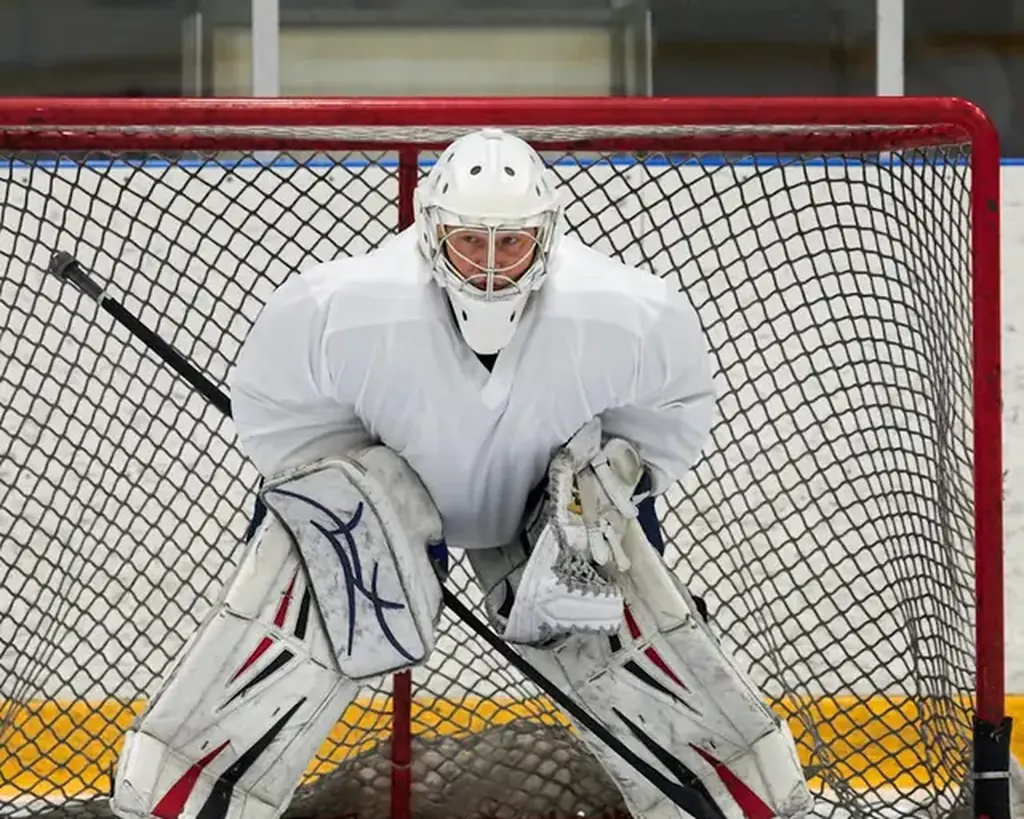
If one single image encapsulates the magic and desperation of the 1994 run, it is Kirk McLean, stretched parallel to the ice in a state of pure athletic defiance. The moment occurred in Game 7 of the first-round series against the Calgary Flames. Overtime. A loose puck found Flames forward Robert Reichel at the side of the net with a seemingly open cage. The Stanley Cup Playoffs, and perhaps the entire narrative, hung in the balance. In a flash, McLean dove across the crease, his glove snatching the puck from certain destiny. The save was not merely a stop; it was an act of salvation. It preserved the tie and paved the way for Pavel Bure's legendary breakaway goal minutes later—a goal that ended the series and announced the Canucks as a team of destiny. This sequence, "The Save" followed by "The Goal," is the foundational moment of the run, a testament to how championship aspirations are often built upon the extraordinary efforts of a goaltender.
Conquering Titans: The Toronto and Dallas Series
Having slain one dragon, the Canucks faced another in the second round: the storied Toronto Maple Leafs. This series evolved into a brutal, emotionally charged war of attrition. It was defined by physical sacrifice, most notably from Trevor Linden, who played through broken ribs, cracked cartilage, and a devastating shoulder injury, embodying the captain's ethos. The series culminated in another tense Game 7, where Greg Adams' overtime winner sent Vancouver to the Western Conference Final. There, they met the top-seeded Dallas Stars. Once again cast as underdogs, the Canucks relied on McLean's brilliance and timely scoring. The clinching Game 5 in Dallas, a 4-2 victory, was a masterclass in road poise. It cemented their place in the Stanley Cup Final and ignited a firestorm of excitement back home, proving that teamwork and resilience could overcome sheer statistical superiority.
The Stanley Cup Final: A City Transformed
The Final against the New York Rangers was a cultural phenomenon. Vancouver was painted in blue, green, and yellow. The roar from a packed Rogers Arena (then known as GM Place) was matched by the thunder of over 50,000 fans flooding the streets for live viewings. The series had everything: Mark Messier's guarantee for New York, Nathan LaFayette's heart-stopping shot that rang off the post in the dying seconds of Game 7, and the heroic, two-goal performance of an utterly depleted Trevor Linden in that final game. Though the Canucks fell 3-2 in the climactic Game 7 at Madison Square Garden, the loss was met not with anger, but with an unprecedented outpouring of respect. The "Thank You, Canucks" rally at BC Place, attended by hundreds of thousands, was a cathartic celebration of the journey itself. It demonstrated that the pursuit, marked by unwavering effort and heart, could unite a community as powerfully as a victory.
Legacy and Echoes in the Modern Era
The legacy of 1994 is not confined to history books or grainy highlight reels. It established an emotional benchmark for what Stanley Cup Playoffs hockey means in Vancouver. The current Vancouver Canucks, under the guidance of Head Coach Rick Tocchet and the roster construction of General Manager Patrik Allvin, operate within the long shadow of that run. The leadership displayed by Trevor Linden is the standard against which captains like Quinn Hughes are measured. The game-breaking ability of Pavel Bure is the archetype for the offensive magic Elias Pettersson can provide. The clutch goaltending of Kirk McLean is the precedent for the performances expected from Thatcher Demko in the playoffs. The ownership group, Orca Bay Sports & Entertainment, stewards a franchise whose most cherished memory is this near-miss, understanding the profound connection it forged with the fanbase. This legacy is actively discussed and analyzed on platforms like Canucks Army, where the past is often used to contextualize the present and future.
Drawing Parallels: Leadership and Clutch Performance
The practical lessons from 1994 remain vividly applicable to today's NHL. For aspiring leaders, Trevor Linden’s playoff performance is a masterclass in leading by sacrificial example. He showcased that true leadership is often about visible sacrifice and elevating one's play when it matters most—a quality essential for core players like J.T. Miller in today's postseason battles. For goaltenders, Kirk McLean’s run illustrates the mental fortitude required; a goalie can truly carry a team through multiple rounds, a role Thatcher Demko has begun to embody. Furthermore, the 1994 team’s ability to win tight, low-scoring games on the road is a timeless playoff blueprint. It emphasizes defensive structure, elite goaltending, and capitalizing on limited chances—a formula any team, including the modern Canucks in the tough NHL Pacific Division, must master to find success in May and June.
The Vancouver Canucks' 1994 Stanley Cup run was a tapestry woven from moments of individual brilliance, collective grit, and profound civic engagement. It was more than a series of hockey games; it was a shared experience that defined a region's sporting identity. From McLean's save to Linden's courage and the city's unforgettable rally, the run proved that glory is not solely found in lifting the chalice, but in the manner of the pursuit. As the current team, led by Hughes, Pettersson, and Demko, strives to write its own chapters, the spirit of 1994 serves as both an inspiration and a reminder of the electric potential that resides within Rogers Arena every spring. The quest for the Cup continues, forever chasing the standard set three decades ago.
To explore more about the players and eras that have shaped this franchise, delve into our comprehensive hub on Canucks history and legends.
Reader Comments (0)