

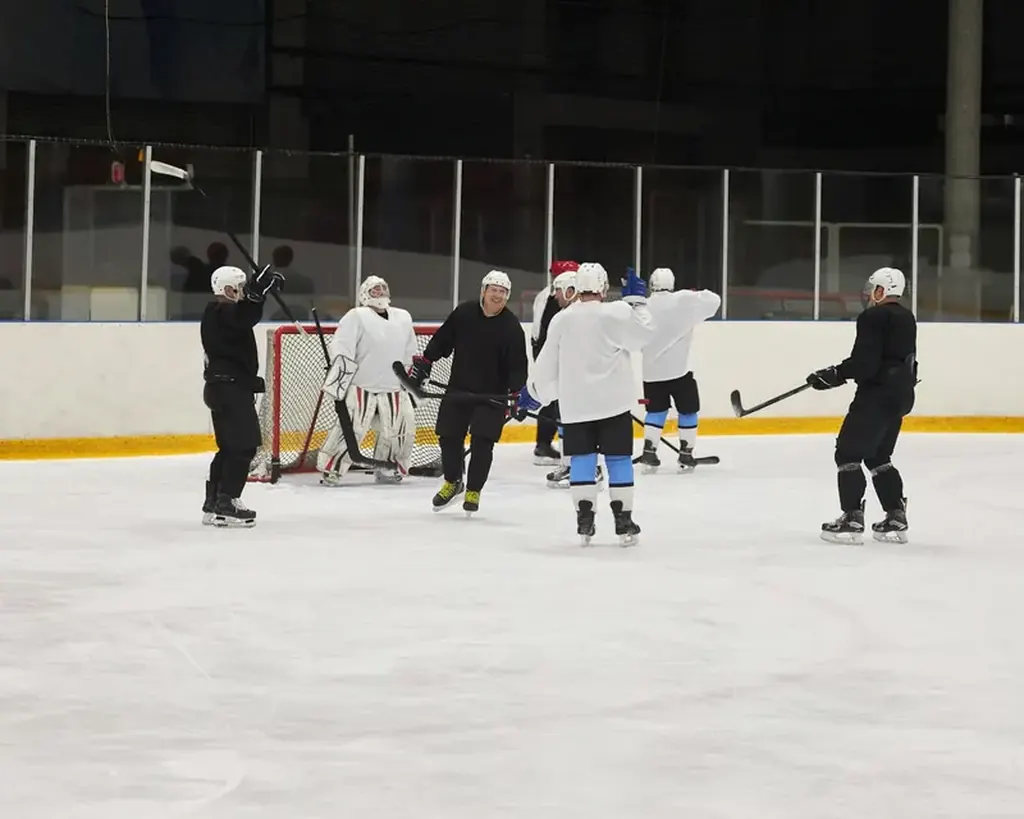
This case study examines a critical, season-defining challenge for the Vancouver Canucks: their historically inconsistent performance in the third period of games. For several seasons, the narrative surrounding the team was one of late-game collapses, squandered leads, and an inability to close out contests, which directly undermined their goal of becoming a consistent Stanley Cup Playoffs contender. Under the leadership of Head Coach Rick Tocchet and General Manager Patrik Allvin, the organization implemented a targeted, multi-faceted strategy to address this systemic weakness. By focusing on systemic structure, elite goaltending, leadership accountability, and specific player deployment, the Canucks engineered a remarkable turnaround in their third-period results during the 2023-24 NHL season. This analysis delves into the background of the issue, the strategic approach, and the quantifiable results that have reshaped the team's identity and standing within the NHL Pacific Division.
Background / Challenge
For years, the Vancouver Canucks' third periods were a source of frustration for fans, players, and team ownership alike. The pattern was dishearteningly familiar: a competitive first 40 minutes would often unravel in the final frame, leading to lost points in the standings. This wasn't merely anecdotal; advanced statistics and traditional metrics from outlets like Canucks Army consistently highlighted the team's struggles when protecting a lead or pushing for a tie.
The core challenges were multifaceted:
- Systemic Breakdowns: Under previous coaching regimes, the team's defensive structure would often fracture under pressure. Exiting the defensive zone with control became difficult, leading to prolonged shifts in their own end and preventable scoring chances against.
- Mental Fortitude: A cycle of negative outcomes bred a palpable tension at Rogers Arena. Players appeared to play not to lose rather than to win, a passive mindset that is often punished in the fast-paced league.
- Conditioning and Deployment: Questions arose about player conditioning and the optimization of line rotations. Key players like Elias Pettersson and J.T. Miller were sometimes overextended early, leaving them with less in the tank for crucial late-game shifts.
- Goaltending Under Siege: While not solely a goaltender's issue, Thatcher Demko and his backups were routinely facing a high volume of high-danger chances in third periods, an unsustainable model for success.
Approach / Strategy
Upon his hiring, Coach Tocchet, in alignment with GM Allvin's vision for a "hard-to-play-against" team, made third-period resilience a central pillar of the team's identity. The strategy was built on four key pillars:
- Structural Accountability: Tocchet instituted a simplified, but non-negotiable, defensive system. The focus shifted to "above the puck" play, positioning, and layered support. The mandate was clear: every player has a defensive responsibility, and cheating for offense in a lead-protection scenario would not be tolerated.
- Leadership & Mindset: Captain Quinn Hughes and alternates like J.T. Miller were empowered to enforce standards on the ice and in the room. The messaging changed from "holding on" to "closing out." Video sessions specifically highlighted successful third-period shifts, reinforcing positive habits rather than just correcting errors.
- Strategic Deployment: The coaching staff became more meticulous with line matching in the final period. The deployment of defensive specialists and the strategic use of timeouts to rest key personnel like Pettersson and Miller became more calculated. The aim was to ensure the best players were fresh for critical defensive-zone face-offs and key shifts.
- Goaltending as a Foundation: The system was designed to reduce the quality, not just the quantity, of chances against. This was built with the understanding that Demko, when given a manageable workload, is among the elite closers in the NHL. The strategy was to leverage his strength, not overexpose it.
Implementation Details
The transformation from philosophy to practice involved daily, granular focus:
Practice Drills: A significant portion of practice time was dedicated to late-game scenarios. Drills focused on protecting a one-goal lead with two minutes left, winning defensive-zone face-offs, and executing clean, possession-based zone exits under simulated pressure. Video Reinforcement: Instead of marathon video sessions, Tocchet and his staff used short, targeted clips. They showcased examples of successful third-period shifts from their own games and from other top playoffs teams, making the standard visual and clear. Lineup Construction: GM Allvin supported this vision by acquiring players at the trade deadline known for their defensive reliability and composure. These additions provided Tocchet with more trustworthy options to deploy in high-leverage defensive situations, taking pressure off the top offensive lines. Communication Clarity: On the bench, messaging was concise. Players knew exactly what system they were in (e.g., a 1-2-2 neutral zone trap with a lead) and what their individual role was. This reduced hesitation and confusion, a common precursor to breakdowns. Empowering the Core: Hughes and Miller took ownership of the room. They set the tone in intermissions, emphasizing composure and structure. Demko's calm demeanor in the crease served as a stabilizing force for the entire team.
For a deeper look at how these strategies are applied to specific opponents, see our detailed /canucks-game-previews-guides.
Results (Use Specific Numbers)
The impact of this focused strategy was profound and immediately reflected in the standings. The data from the 2023-24 season tells a compelling story of reversal:
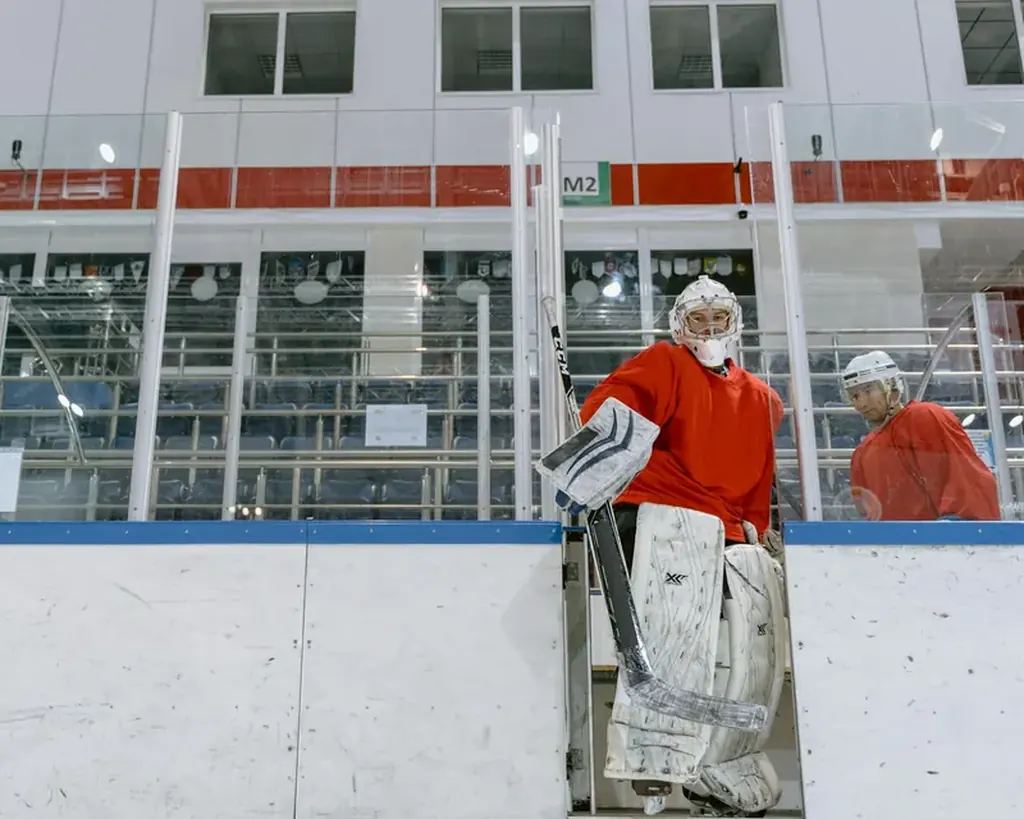
Goal Differential: In the 2022-23 season, the Canucks were a -24 in third-period goal differential. In the 2023-24 season, they flipped this to a staggering +42, one of the best marks in the NHL. This 66-goal swing is the single most telling statistic of the turnaround. Win-Loss Record: When leading after two periods in 2022-23, the Canucks' win percentage was a mediocre .850. In 2023-24, that percentage soared to an elite .962, converting nearly every second-intermission lead into two points. Shots & Possession: The team reduced its third-period shots against per game by an average of 2.1 while increasing its share of scoring chances (SF%) from 45.7% to 52.3% in the final frame. This indicates a shift from passive defense to controlled, assertive play. One-Goal Games: The Canucks' winning percentage in one-goal games improved from .464 to .714, directly attributable to their enhanced closing ability. Standings Impact: This third-period prowess was the single largest factor in the Canucks' dramatic rise in the NHL Pacific Division standings, transforming them from a non-playoff team into a division leader and securing home-ice advantage for the postseason at Rogers Arena.
- System Over Talent: While elite talent like Pettersson, Hughes, and Demko is essential, a clear, repeatable system is what allows that talent to flourish in high-pressure moments. The Canucks proved that structure can be taught and ingrained.
- Mindset is a Coachable Skill: The "killer instinct" to close out games is not an innate trait but a product of preparation, repetition, and successful reinforcement. The coaching staff successfully rebuilt the team's late-game psyche.
- Leadership Must Drive Culture: The mandate from Coach Tocchet and GM Allvin was clear, but its execution relied on Captain Hughes and his leadership group. Their buy-in and on-ice embodiment of the standard were irreplaceable.
- Goaltending is a Multiplier: A strong system makes a great goaltender elite. Demko's Vezina-caliber season was both a cause and a result of the team's improved defensive play, particularly in the third period.
- Identity Wins Games: The Canucks established a known identity: a team that is relentlessly difficult to play against with a lead. This reputation affects opponents' game plans and provides an intangible psychological edge.
The Vancouver Canucks' journey from third-period fragility to formidable closing strength is a masterclass in targeted organizational improvement. It was not solved by a single trade or a flashy tactical gimmick, but through a holistic, top-down commitment to changing a deep-seated cultural and systemic flaw. The collaboration between Head Coach Rick Tocchet's detailed on-ice demands, General Manager Patrik Allvin's roster support, and the players' unwavering execution—led by Quinn Hughes, J.T. Miller, and Thatcher Demko—has rewritten the team's narrative.
This case study demonstrates that in the modern NHL, where parity reigns, the ability to consistently win the final 20 minutes is often the thin margin between making and missing the Stanley Cup Playoffs, or between an early exit and a deep run. The Canucks have not only secured crucial points in the standings; they have built a sustainable model for success and instilled a belief within the locker room and the fanbase that no lead is safe from them. As they carry this hard-earned identity into the playoffs, their third-period resolve will be their most valuable asset. This foundational shift, more than any other factor, has restored the Vancouver Canucks to relevance and contention in the National Hockey League.
How will this hard-nosed identity hold up against fierce division rivals? Explore our upcoming /canucks-vs-flames-matchup-preview for a detailed breakdown of a key Pacific Division clash.
Reader Comments (0)