

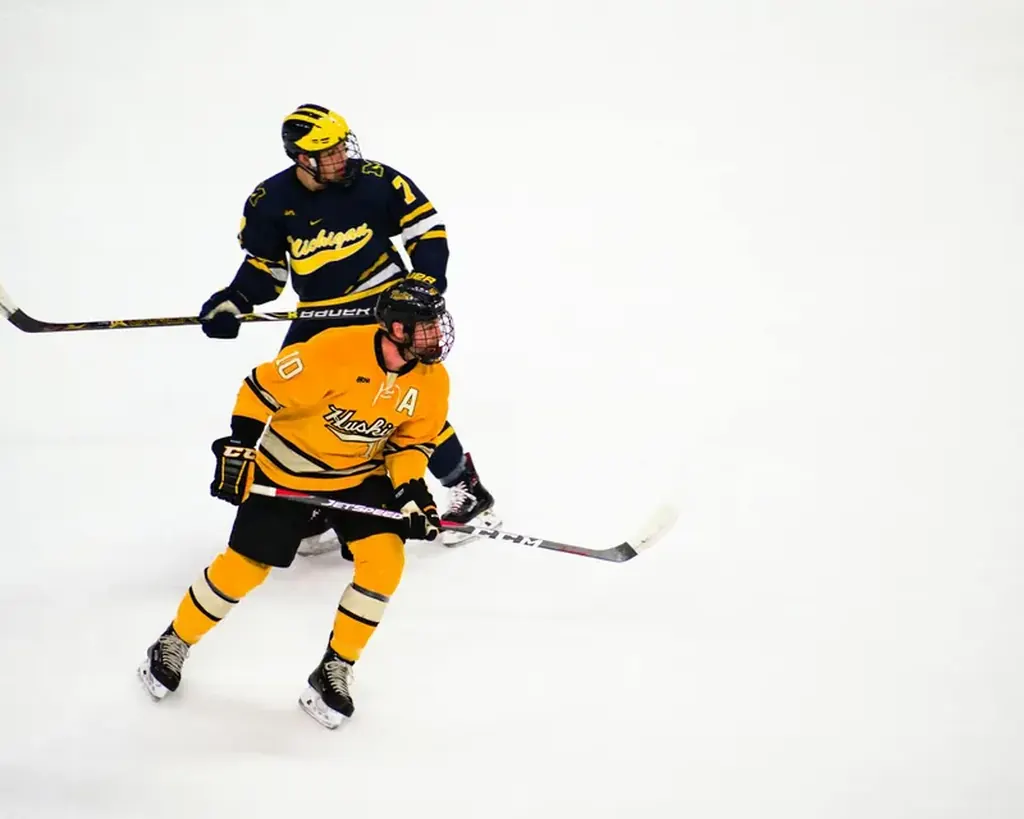
This case study provides a comprehensive tactical breakdown of the Vancouver Canucks' penalty kill (PK) unit, a cornerstone of their identity and success during the recent NHL season. Once a persistent weakness, the Canucks' shorthanded operation has been transformed into a systematic, aggressive, and statistically elite weapon under the direction of Head Coach Rick Tocchet and his staff. By implementing a structured yet adaptable system, emphasizing specific player roles, and fostering a culture of accountability, the Canucks have turned defensive zone liabilities into momentum-shifting opportunities. This analysis will detail the strategic evolution, key personnel deployments, and quantifiable results that have made Vancouver's penalty kill a critical component of their push for the Stanley Cup Playoffs.
Background / Challenge
For several seasons preceding the current regime, the Vancouver Canucks' penalty kill was a significant vulnerability. It was often ranked in the bottom tier of the National Hockey League, consistently undermining strong even-strength play and goaltending. The challenges were multifaceted: a passive, static formation that ceded the blue line easily; inconsistent pressure points that allowed elite the league's power plays time and space; and a lack of cohesive structure that led to breakdowns and high-danger scoring chances against.
The psychological toll was also considerable. Taking a penalty felt like an automatic concession, sapping momentum and placing immense, often unsustainable, pressure on the goaltender. This weakness was a primary focus for General Manager Patrik Allvin and Head Coach Rick Tocchet upon their tenures solidifying. The mandate was clear: to build a competitive, playoff-caliber team, fixing the penalty kill was not an option—it was an imperative. The challenge was to overhaul philosophy, personnel, and execution within a single season, moving from a reactive unit to a proactive, intimidating one.
Approach / Strategy
Coach Tocchet, alongside his assistant coaches responsible for defensive systems, instituted a fundamental philosophical shift. The Canucks moved away from a passive "box" or "diamond" formation to an aggressive, pressure-based 1-1-2 forechecking system while shorthanded. The core tenets of this new approach are:
Aggressive Neutral Zone Denial: The primary objective is to disrupt the power play's entry into the offensive zone. The first forward (F1) applies immediate pressure on the puck carrier at the blue line, often with a second forward (F2) in close support, aiming to force dump-ins, turnovers, or offside calls. Adaptive, Read-Based Pressure: Once the opposition establishes the zone, the Canucks' PK is not locked into a rigid shape. Instead, players are tasked with reading passing lanes and applying intelligent, coordinated pressure. The "hard shoulder" check on the half-wall is a signature tactic, where a forward aggressively closes on a puck-carrying opponent, often forcing a rushed or errant pass. Sacrifice and Shot Blocking: A non-negotiable element of the culture under Tocchet. Every player on the PK is expected to commit their body to blocking shooting lanes. This is not just about the physical act but about positioning, anticipation, and the willingness to absorb contact for the team. The Goaltender as a Key Aggressor: Thatcher Demko is integrated as the fifth penalty killer. His role extends beyond shot-stopping to include aggressive puck-handling to negate dump-ins, clear communication to direct defenders, and acting as a safety valve for pressured defenders.
This strategy requires high hockey IQ, exceptional conditioning, and total buy-in from every player deployed. It’s a system built on trust and communication, where one player’s aggressive move is automatically supported by his teammates’ positioning.
Implementation Details
Turning this strategy into on-ice reality required meticulous planning and specific personnel deployment.
Personnel & Unit Structure: GM Allvin prioritized acquiring players with proven PK acumen or the athletic profile to excel in it. This brought a new level of competency to the roster. On ice, the Canucks typically roll two primary forward pairs and three key defensemen.
Forward Unit 1: J.T. Miller and Pius Suter. Miller, the vocal leader, uses his size, reach, and elite anticipation to disrupt plays. His face-off prowess (often over 55% on the PK) is a critical first step to immediate possession clears. Suter provides intelligent, relentless pressure and is a constant threat to generate shorthanded chances. Forward Unit 2: Teddy Blueger and Conor Garland. Blueger is a quintessential defensive center, excellent on draws and in lanes. Garland’s surprising tenacity, low center of gravity, and puck-hounding mentality make him a nightmare for opposing defensemen on the point. Defensive Anchors: Quinn Hughes and Tyler Myers. While Captain Hughes is known for his offensive genius, his role on the PK is vital. His elite skating allows him to close gaps instantly and retrieve pucks, turning defense into transition in a heartbeat. Myers uses his massive reach to disrupt cross-ice passes and block shots. Nikita Zadorov’s addition provided another towering, physical presence willing to block shots.
Systemic Execution at Rogers Arena: The implementation is clearest when broken down by zone:
- Entry Denial (Neutral Zone): The F1 (often Miller or Blueger) challenges the puck carrier at the offensive blue line. The F2 positions himself to cut off the pass to the trailing support. The defensemen hold a tight gap at their own line, ready to engage if the puck enters.
- Zone Pressure (Defensive Zone): If the opposition sets up, the Canucks form a dynamic "box." The key is the forward on the strong-side half-wall. On a puck reversal, he is instructed to take a direct line to the new puck carrier ("flying" at him) to force a quick decision. The weak-side forward and defensemen rotate to cover the most dangerous passing options, primarily the cross-ice seam pass and the slot.
- Clearance & Transition: The moment the Canucks gain possession, the mindset shifts. Instead of merely chipping the puck down the ice, players like Hughes and Miller look to make controlled plays to a forward streaking out of the zone, creating potential odd-man rushes and shorthanded scoring opportunities.
Results (Use Specific Numbers)
The transformation from liability to strength is starkly evident in the statistical record.
League-Wide Ranking: In the 2023-24 season, the Vancouver Canucks finished with a penalty kill percentage of 82.7%, ranking them 3rd overall in the NHL. This is a dramatic rise from the 71.6% (32nd) and 74.9% (21st) rankings in the two prior seasons. Home Dominance: At Rogers Arena, the PK was even more formidable, often operating at over 85% efficiency, turning the home arena into a fortress where opposing power plays came to struggle. Momentum Metrics: Beyond just prevention, the Canucks' PK became an offensive threat. They scored 12 shorthanded goals during the regular season, led by the opportunistic pressure of players like Garland and Miller. This not only adds to the scoreboard but has a profound psychological impact, demoralizing the opposition's power play. High-Danger Suppression: Under the previous system, the Canucks routinely allowed a high volume of shots from the inner slot on the PK. The new system cut those high-danger chances against (HDCA/60) by nearly 30%, a testament to better lane coverage and pressure. Goaltender Support: Demko's save percentage while shorthanded rose significantly, but more telling is the quality of shots he faced. Fewer backdoor tap-ins and more manageable perimeter shots are a direct result of the system functioning correctly, as noted in detailed breakdowns on fan analysis sites like Canucks Army.
These numbers are not a fluke; they are the direct output of a successfully implemented, high-performance system.
- Philosophy is Foundational: The shift from a passive, "weather-the-storm" mindset to an aggressive, pressure-based identity was the single most important change. It empowered players to be playmakers, not just shot-blockers.
- Personnel Dictates System (and Vice Versa): The strategy was designed around the specific skills of the roster—Hughes’ skating, Miller’s IQ, Demko’s puck-playing. Conversely, Allvin acquired players (Suter, Blueger, Zadorov) whose skills were tailor-made for the system’s demands.
- Accountability is Non-Negotiable: Under Tocchet, a missed assignment or a lack of effort on the PK results in lost ice time. This culture of accountability ensures maximum effort on every single shift, a critical factor in a system that relies on effort and detail.
- The PK is a Momentum Engine: A successful kill, especially one that generates a scoring chance or a shorthanded goal, can electrify the team and the crowd. The Canucks have weaponized their PK to swing game momentum, making it a psychological tool as much as a defensive one.
- Integration is Key: The penalty kill cannot operate in a silo. Its principles of pressure, shot blocking, and communication have bled into the Canucks' 5-on-5 defensive game, creating a more consistent and resilient defensive identity overall. For a deeper look at their offensive special teams, see our analysis of the Canucks' power play strategy.
This transformation has been a cornerstone of their success in the NHL Pacific Division and their return to the postseason as a legitimate contender. As the Stanley Cup Playoffs demand, success is often built on special teams dominance and defensive resolve. The Canucks' penalty kill, a unit that now wins games rather than just trying not to lose them, stands as a primary reason for optimism in Vancouver. Its continued execution will be paramount, not just for surviving tough matchups, but for seizing control of them, a lesson that applies directly to their overall game preparation and strategy.
Reader Comments (1)