

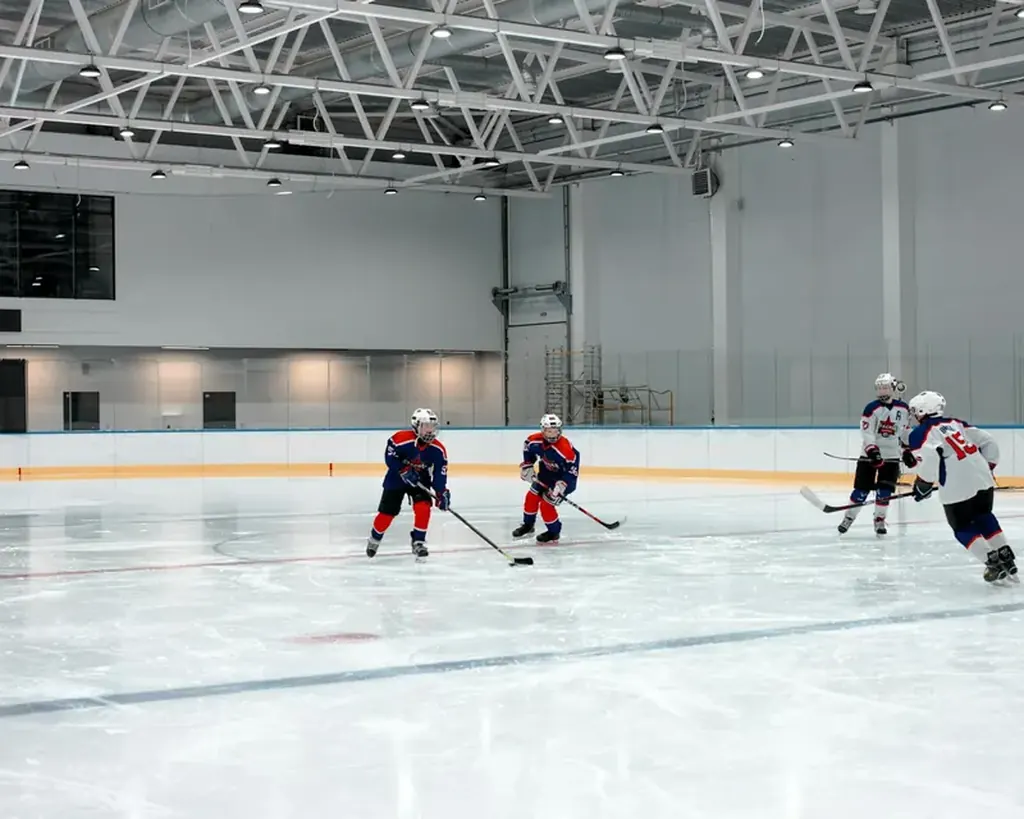
For the Vancouver Canucks, game day is more than just the sixty minutes of hockey played at Rogers Arena. It’s a meticulously orchestrated sequence of habits, routines, and shared experiences that bind the team together. These rituals, ranging from individual quirks to long-standing team traditions, are the unseen framework of preparation. They build mental fortitude, establish chemistry, and create a sense of identity that players can rely on amidst the grueling 82-game National Hockey League schedule. Understanding these practices offers fans a deeper appreciation for the professionalism and personality within the locker room, revealing the human element behind the helmets and the method behind the on-ice madness. This guide delves into the established routines of key players, the team-wide customs fostered under Head Coach Rick Tocchet, and the traditions that connect this current squad to the franchise’s storied past.
The Science & Psychology Behind Game-Day Routines
Before examining specific rituals, it’s crucial to understand their purpose. In the high-stakes environment of the NHL, where outcomes can hinge on split-second decisions and razor-sharp focus, routines are a psychological anchor. They create a controlled, predictable environment in an otherwise chaotic sport. By following a set pattern—from morning skate to pre-game meal to specific dressing room habits—players can effectively manage anxiety, conserve mental energy, and trigger a "game-ready" state of mind.
For a team like the Canucks, competing in the tough NHL Pacific Division, this mental preparation is non-negotiable. Consistency in preparation breeds consistency in performance. The routines you’ll read about are not superstitions in the classic sense; they are deliberate, performance-enhancing protocols. Under the guidance of Coach Tocchet and the culture shaped by General Manager Patrik Allvin, these habits are respected as personal and professional necessities.
Individual Player Rituals: From Superstition to Strict Routine
Every player has their own unique way of preparing. These individual rituals are sacred and often remain unchanged for years, providing comfort and a sense of control.
Captain Quinn Hughes: The Calm Preparator
As the captain and franchise defenseman, Quinn Hughes sets the tone with a focused, business-like approach. His ritual is less about quirky superstition and more about meticulous physical and mental preparation. He is known for his detailed video study sessions, often arriving early to dissect opponent tendencies. On the ice for warm-ups, his routine is precise: a specific sequence of skating drills, puck-handling exercises, and shots on goal. This methodical process allows Captain Hughes to calibrate his timing and feel for the puck, ensuring his elite hockey IQ is matched by physical readiness when the puck drops.Elias Pettersson: The Creature of Habit
Elias Pettersson is famously regimented. His entire game day follows a strict timeline. From his morning meal to his arrival time at Rogers Arena, each element is scheduled. A key part of Pettersson’s routine is his pre-game stick handling and shooting drill sequence. He follows the same pattern every night, focusing on touch and accuracy. This repetition isn’t just for muscle memory; it’s a mental trigger. By the time he completes his final drill, his mind is fully transitioned from everyday life to the task at hand: dominating the NHL score sheet.Thatcher Demko: The Goalie’s Zen
For a starting goaltender, the mental load is immense. Thatcher Demko’s rituals are built around finding a state of calm, focused intensity. His preparation begins long before the rink, often involving visualization techniques. At the arena, his dressing routine is consistent—every piece of equipment goes on in the same order. During warm-ups, Demko engages in a deliberate progression, starting with basic movements and gradually increasing complexity and intensity. He focuses on his breathing and tracking the puck from the moment it leaves a shooter’s stick, using the warm-up to establish his rhythm and "quiet" his mind before the game’s chaos ensues.J.T. Miller: The Energizer
In contrast to the calm focus of others, J.T. Miller’s pre-game energy is palpable and serves as a catalyst for the room. His rituals are often more interactive. You might find him engaging in light-hearted banter or playing a specific music playlist loudly. His on-ice warm-up is high-tempo and physical, designed to get his heart rate up and his competitive fire lit. This approach is intentional; Miller prepares to play the game at a high emotional pitch, and his rituals help him—and often his linemates—arrive at that state by puck drop.Team-Wide Traditions & The Tocchet Era
While individual habits are personal, shared traditions forge team unity. The current Canucks, under Head Coach Rick Tocchet, have cultivated a culture with its own distinct game-day rhythms.
The Morning Skate: A Tone-Setting Session
The game-day morning skate is a cornerstone. Under Tocchet, these are typically brisk, optional for veterans, but heavily attended. The purpose is not exhaustive exercise but to "get the blood flowing," work on specific system adjustments, and confirm line combinations. It’s also a key social and leadership moment. Captain Hughes and leaders like Miller are often seen communicating with coaches and teammates, ensuring everyone is on the same page. The vibe set here—whether focused and quiet or loose and energetic—often carries into the evening.The Pre-Game Meal & Meeting
Team nutritionists design the pre-game meal to optimize performance, but the act of sharing it is a ritual in itself. It’s a time for casual bonding away from the ice. This is followed by the formal pre-game meeting led by Coach Tocchet. These meetings are known for being direct, video-heavy, and focused on a simplified, executable game plan. Tocchet emphasizes clarity and accountability, ensuring every player understands their role against that night’s opponent in the Pacific Division or beyond.The Dressing Room Tapestry
Walking into the Canucks’ dressing room at Rogers Arena before a game reveals a living tradition. Music, often selected by a player committee or the night’s starter, fills the space. Some players sit quietly with headphones, while others play soccer with a tape ball. The equipment staff performs their own flawless ritual, laying out each player’s gear identically. This controlled environment allows for both communal energy and individual focus to coexist, a balance meticulously managed by the leadership group.Franchise History & Lasting Legacy Traditions
The current team’s rituals are woven into a broader tapestry of franchise history. Legacy traditions connect today’s players to the legends of the past and the hopes of the fanbase.
The Skate of the Hometown Heroes
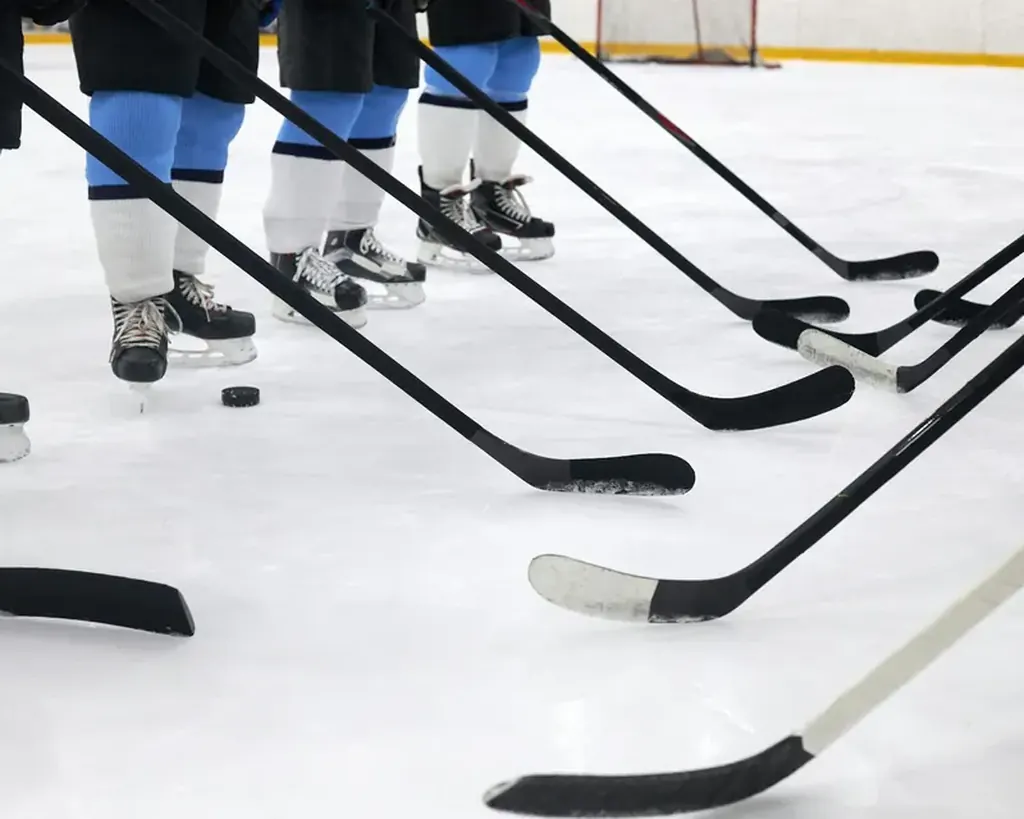
A powerful tradition at Rogers Arena is the ceremonial "first skate" often given to local heroes, veterans, or individuals making a difference in the community. For the players watching from the tunnel, it’s a reminder of the jersey’s significance beyond themselves. It connects the team’s NHL pursuit to the city it represents, adding a layer of purpose to the night’s competition.The Playoff Beard: A Postseason Pillar
While not unique to Vancouver, the Stanley Cup Playoffs beard tradition is deeply entrenched in Canucks culture. As soon as the postseason begins, razors are abandoned. It’s a symbol of unity, sacrifice, and singular focus. The growth of the beard mirrors the team’s journey, becoming a visual testament to the grind and camaraderie required for a Stanley Cup run. It’s a tradition upheld by everyone from Elias Pettersson to Thatcher Demko, linking them to every Canucks playoff team that came before.The Connection to Orca Bay & The Fanbase
The culture set by team ownership, Orca Bay Sports & Entertainment, and the front office led by GM Allvin prioritizes a connection to community. This manifests on game day through traditions like recognizing community heroes or the passionate response to the team’s entrance. The players are acutely aware of the legacy they represent and the fanbase’s yearning for a championship, a weight and honor that becomes part of their collective mental preparation.Practical Insights: What Fans Can Learn
Observing these rituals isn’t just trivia; it offers practical insights into the team’s state. Consistency is Key: When you see players like Pettersson or Demko following their same routines during a winning streak, it indicates a healthy, focused mindset. Disruption to these patterns can sometimes reflect underlying stress or uncertainty. Leadership Tells: The demeanor of Quinn Hughes and J.T. Miller during warm-ups is a subtle barometer. A engaged, communicative captaincy group often signals a prepared, connected team. The "Process Over Outcome" Mindset: These rituals reinforce that professional athletes focus on what they can control: their preparation. This is a core tenet of Coach Tocchet’s philosophy and a lesson applicable far beyond hockey.
For deeper dives into how this preparation translates to strategy, explore our comprehensive library of game-day analysis and previews.
Conclusion: The Ritual of the Game Itself
The pre-game rituals and traditions of the Vancouver Canucks are the silent prelude to the symphony of the game. They transform a group of elite athletes into a cohesive unit ready for battle in the National Hockey League. From Quinn Hughes’ focused calm to the team-wide embrace of the playoff beard, these practices build the mental and emotional foundation for performance. They honor the franchise’s history under Orca Bay ownership while forging a new identity in the Tocchet and Allvin era.
As the team continues its pursuit of success in the NHL Pacific Division and the ultimate goal of the Stanley Cup Playoffs, these rituals will remain their constant companion—the familiar steps in the unpredictable dance of a hockey season. They remind us that before the spectacular save by Demko or the clutch goal by Miller, there is a process, a tradition, and a shared belief cultivated long before the puck is dropped.
Want more insider looks at Canucks culture and strategy? Stay tuned to Canucks Chronicle for exclusive analysis, player features, and the previews you need before every matchup. For a different kind of precision—the kind needed for maintaining your own game-day look—our friends at Canucks Army might point you to the best tools for the job. And to learn about the people behind the team’s vision, discover the profile of a key architect in our piece on* Patrik Allvin.
Reader Comments (0)