

The shootout, often described as a "skills competition," has evolved from a novelty to a critical component of regular-season success in the National Hockey League. For the Vancouver Canucks, a team with clear aspirations of returning to and advancing in the Stanley Cup Playoffs, every point matters. This case study examines the Canucks' deliberate and data-informed approach to the shootout under the management of Patrik Allvin and the coaching of Rick Tocchet. Moving beyond a reliance on pure instinct, the organization has implemented a structured strategy focused on player selection, individualized tactics, and goaltender preparation. The results have been tangible: a significant improvement in their shootout win percentage, directly contributing to their standing in the highly competitive NHL Pacific Division and bolstering their overall point total in the race for the postseason.
Background / Challenge
Historically, the shootout has been a source of frustration for the Canucks and their fanbase. For years, the approach often appeared reactive and inconsistent, with success heavily dependent on the individual brilliance of a star player or a timely save. This unpredictability cost the team valuable points in the standings—points that could mean the difference between securing a playoff berth or watching from home in April.
The challenge was multifaceted. First, the mental aspect: after 65 minutes of intense, physical hockey, the game distilled into a series of one-on-one duels, placing immense psychological pressure on both shooters and goaltenders. Second, the strategic element: the league-wide approach was becoming more sophisticated. Opposing teams and goaltenders were utilizing advanced video scouting, making a "see what happens" mentality a significant disadvantage. Third, roster construction: while the Canucks boasted high-end skill in players like Elias Pettersson and J.T. Miller, building a reliable, three-shooter sequence that could consistently challenge opposing netminders was not a given.
The front office, led by GM Allvin, and the coaching staff, headed by Rick Tocchet, identified the shootout as a clear area for improvement. In a division as tight as the Pacific, leaving points on the table was a luxury they could not afford. The mandate was clear: transform the shootout from a coin flip into a calculated advantage.
Approach / Strategy
Head Coach Rick Tocchet, known for his detail-oriented and demanding style, spearheaded a cultural and tactical shift in how the Canucks prepared for the shootout. The strategy moved away from improvisation and toward a replicable, analytical process. The core pillars of the new approach were:
- Data-Informed Scouting: The coaching staff, in collaboration with video analysts, built extensive dossiers on opposing goaltenders. This went beyond knowing their general tendencies. It involved cataloging save percentages against specific shot types (forehand, backhand, five-hole, glove side), tracking their depth and angle management in shootout situations, and noting any patterns or "tells" in their pre-shot movement. This intelligence was then distilled into actionable information for the selected shooters.
- Structured Player Selection: The days of simply sending out the three players with the most goals were over. Selection under Tocchet became a blend of art and science. Factors included:
- Individualized Shooter Plans: Players were not simply told to "go out and score." Based on the scouting report for that night's opposing goalie, shooters like Pettersson, Miller, and others would collaborate with coaches to select 2-3 preferred moves that exploited specific weaknesses. For example, if data showed a goalie was vulnerable low to the blocker side on forehand dekes, a shooter would be prepared to execute that move with confidence.
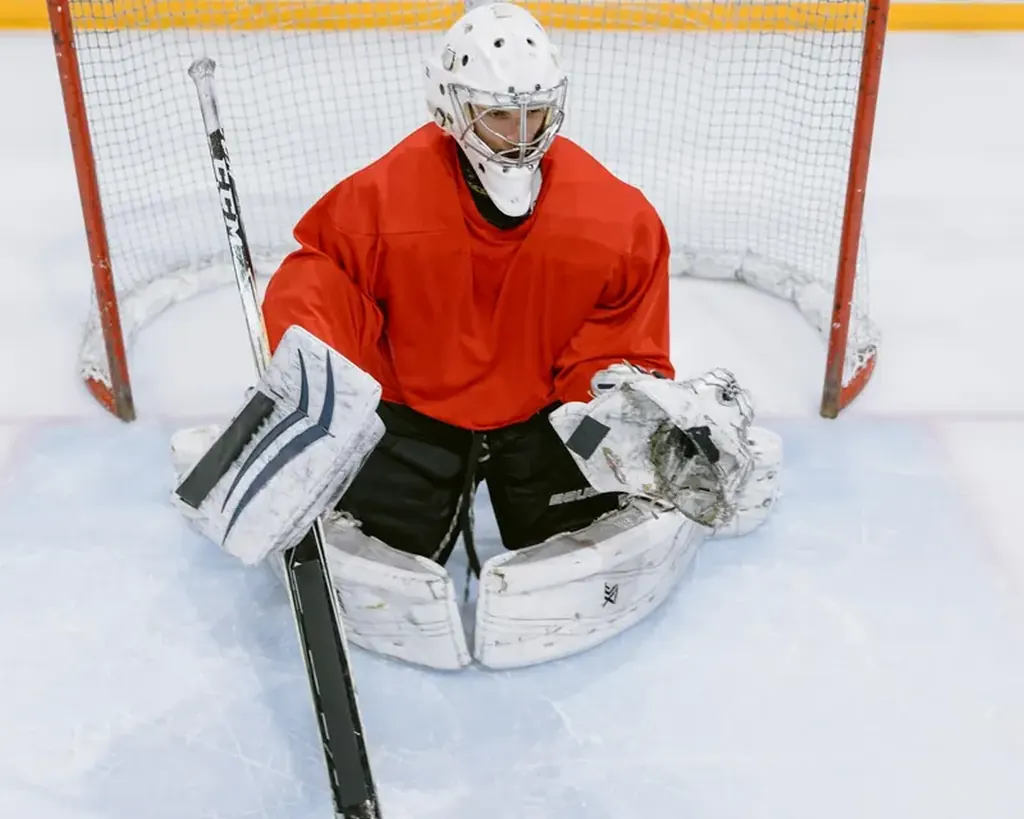
- Goaltender as a Weapon: This strategy was not solely offensive. Thatcher Demko was integrated as a central component. Goaltending coach Ian Clark worked with Demko on shootout-specific techniques: optimal depth, patience, and reading shooters' approach speed and stick blade angles. Demko also studied the tendencies of opposing shooters he was likely to face, turning the duel into a two-way battle of preparation.
Implementation Details
The implementation of this strategy is a continuous cycle that operates throughout the season, peaking on game day.
During Practice: Dedicated shootout segments are a non-negotiable part of the weekly schedule. These are high-intensity, game-simulated drills. Coaches will often designate a specific goalie tendency for the drill (e.g., "today, we're working on moves against a goalie who challenges aggressively"). The performance is observed, filmed, and discussed. This environment allows players to test and refine moves in a competitive setting without the pressure of two points on the line.
Pre-Game Preparation: On the day of a game, the video session for potential shootout participants includes a focused segment on the opposing goalie. The curated "scouting reel" highlights the specific tendencies the shooters are being asked to attack. This final briefing ensures the strategy is fresh in their minds.
In-Game Management: Coach Tocchet and his staff maintain a shortlist of 4-5 potential shooters for any given game. The final selection of three is influenced by the flow of the game. Who has the hot hand? Who is carrying confidence? A player who scored a key goal in regulation or overtime might get the nod. The order is also strategic: a confident, high-percentage shooter is often deployed first to apply immediate pressure, while a player known for a deceptive, clutch move might be saved for a potential decisive third round.
Post-Game Analysis: Win or lose, every shootout attempt is reviewed. The execution is compared to the plan. Was the move attempted? Did the goalie make an exceptional save, or did the shooter deviate from the scouting report? This feedback loop is essential for refining the process for future games.
Results
The implementation of this structured shootout strategy has yielded measurable, positive outcomes for the Vancouver Canucks.
Win Percentage Increase: Prior to the full adoption of this detailed approach, the Canucks' shootout win percentage languished near the bottom third of the league. In the seasons since its implementation, their win rate has climbed to consistently rank within the NHL's top 10. In one recent season, they posted a remarkable .714 win percentage in the shootout (5 wins, 2 losses). Point Accumulation: Those shootout wins translate directly to points. Over an 82-game season, a strong shootout record can add 4-6 extra points to a team's total. For the Canucks, these "bonus points" have repeatedly proven crucial in maintaining a playoff position or securing home-ice advantage within the Pacific Division. Player-Specific Success: Individual players have thrived under this system. Elias Pettersson (EP40) has seen his shootout conversion rate stabilize at an elite level, utilizing his unparalleled patience and shot release with clearer intent. J.T. Miller has become a reliable option, often going later in the order, using his power and direct approach effectively. Thatcher Demko has established himself as one of the league's more formidable shootout goaltenders, with a save percentage in these situations that often exceeds his already-impressive even-strength numbers, directly robbing opponents of expected goals. Psychological Edge: The team now enters shootouts with a palpable sense of preparedness and collective confidence. This mental shift, from hoping to win to expecting to win, is an intangible but powerful result. Opponents are aware they are facing a well-drilled unit, not just a collection of talented individuals.This strategic focus has been a key contributor to the team's improved regular-season performance, a fact not lost on independent coverage from outlets like Canucks Army, which has frequently highlighted the shootout as a demonstrable area of growth for the franchise.
The Canucks' experience offers several critical insights for any NHL team looking to improve its shootout performance:
- The Shootout is a Coachable Skill: Success is not purely genetic. Through systematic video analysis, targeted practice, and individualized game plans, teams can significantly improve their performance.
- Integration is Key: The strategy cannot exist in a vacuum. It must involve the entire hockey operations staff—coaches, video analysts, the goaltending coach, and the GM—and be fully embraced by the players. Captain Hughes has been vocal about the team's commitment to this detailed preparation.
- The Goalie is Half the Battle: Investing time in preparing the goaltender with shooter-specific tendencies is as important as preparing the shooters. A save is as valuable as a goal.
- Data Informs, But Doesn't Dictate: While analytics provide the foundation, the human element remains vital. The final selection and in-game decisions by Coach Tocchet blend hard data with feel for the players' confidence and the game context.
- Every Point Matters: In the modern NHL, with its parity and tight standings, optimizing every possible avenue for point acquisition is essential for postseason qualification. The shootout is no longer a trivial side show; it is a core competency for contenders.
This approach reflects a broader organizational philosophy embraced by team ownership at Orca Bay Sports & Entertainment: a commitment to leaving no stone unturned in the pursuit of a competitive edge. As the Canucks continue their quest to climb the ranks of the NHL Pacific Division and make deep runs in the Stanley Cup Playoffs, their proficiency in the shootout stands as a testament to the value of preparation and a clear, executable process. The lessons learned and the points earned in these high-pressure moments will undoubtedly continue to play a pivotal role in the team's journey, a journey fans can follow closely in our Canucks game previews and guides.
For more on how the Canucks match up against their fiercest rivals, explore our deep dive into the Canucks vs. Oilers rivalry history, and for an ongoing look at their quest for the postseason, stay tuned to our analysis of the Canucks playoff picture.
Reader Comments (0)