

So, your young fan has caught the Canucks bug. Maybe it was watching Quinn Hughes quarterback the power play, or seeing Elias Pettersson snipe a corner, or feeling the roar of Rogers Arena during a tight Pacific Division battle. Now, they don’t just want to watch hockey—they want to play it. That’s awesome!
But staring down the wall of gear at the pro shop can feel more intimidating than a penalty kill in the Stanley Cup Playoffs. Where do you even start? Don’t worry, we’ve got your back. This isn't about turning your kid into an NHL pro overnight (though we’d love to see them in a Canucks jersey one day!). This is a practical, step-by-step guide to getting them safely and confidently onto the ice for the first time. Think of it like Coach Rick Tocchet’s game plan: structured, focused, and designed for success.
By the end of this guide, you’ll have a clear checklist to build your young player’s first hockey kit, ensuring they’re protected, comfortable, and ready to learn the game they love.
What You'll Need Before You Start
Before we jump into the gear list, let’s cover the basics. You don’t need to walk into a store and buy everything at once, and you certainly don’t need the most expensive pro-level equipment for a beginner. Here’s your game plan:
Your Young Player: Their enthusiasm is the most important piece of equipment! Be ready to involve them in the process—let them pick colors within reason. A little ownership goes a long way. A Realistic Budget: Youth hockey gear is an investment, but it doesn’t have to break the bank. We’ll highlight where to prioritize safety and where you can save. A Tape Measure: Proper fit is non-negotiable. Ill-fitting gear is uncomfortable, restrictive, and, most importantly, unsafe. Have a soft measuring tape handy. Time for a Fitting: Plan a dedicated trip to a reputable hockey store. The staff are your scouts—use their expertise. Patience: This is a process. Like General Manager Patrik Allvin building a roster, it’s about finding the right pieces that fit together.
Step 1: The Non-Negotiables – Skates, Helmet, and Stick
These three items are the absolute foundation. Get these right, and you’re building on solid ice.
H3: 1.1 Finding the Right Skates
Skates are to a hockey player what a stick is to Quinn Hughes—everything. A poor fit here can ruin the experience. Fit Philosophy: They should be snug, not painful. The heel should be locked in place with no lift when laced. There should be slight toe pressure against the front when standing straight, which will ease into a bit of room when in a proper athletic knee-bent stance. Common Mistake: Never buy skates to "grow into." Too-big skates offer zero ankle support, hinder skill development, and are a safety hazard. It’s better to buy a properly fitted, mid-range skate and re-sell or trade it in a year. Pro Tip: Wear the exact same thin socks your child will wear for hockey when trying on skates. Bring them with you!H3: 1.2 Choosing a Certified Helmet with Cage
This is the one area where you absolutely do not compromise. The brain of your future Pettersson needs protection. Certification is Key: Look for a CSA, HECC, or CE certification sticker. This is non-negotiable. Cage vs. Visor: For all beginners and youth players, a full face cage is mandatory. It protects teeth and eyes. A visor does not offer sufficient protection for learning players. Fit Test: The helmet should sit level on the head, about one finger-width above the eyebrows. The cage should not touch the nose or chin. When you shake your head "no," the helmet should move with the skin, not slide over it.H3: 1.3 Picking a First Stick
Your kid isn’t taking one-timers like J.T. Miller yet, so keep it simple. Flex and Length: For young beginners, a simple rule: stand the stick upright (toe on the ground) in street shoes. The end should generally reach between the chin and the nose. Flex (stiffness) isn't a huge concern at this stage; a basic youth flex is fine. Curve & Lie: Start with a mid-curve (like a P88/P92 pattern) and a standard lie. This is a great "do-it-all" curve for learning to handle and shoot. Material: A simple wood or composite stick is perfect and cost-effective. Save the high-end, pro-style sticks for later.Step 2: Building the Body Armor – Pads and Protection
Now we protect the rest of the body. This gear absorbs impacts from pucks, sticks, and the ice itself.
H3: 2.1 Upper Body: Shoulder Pads, Elbow Pads & Gloves
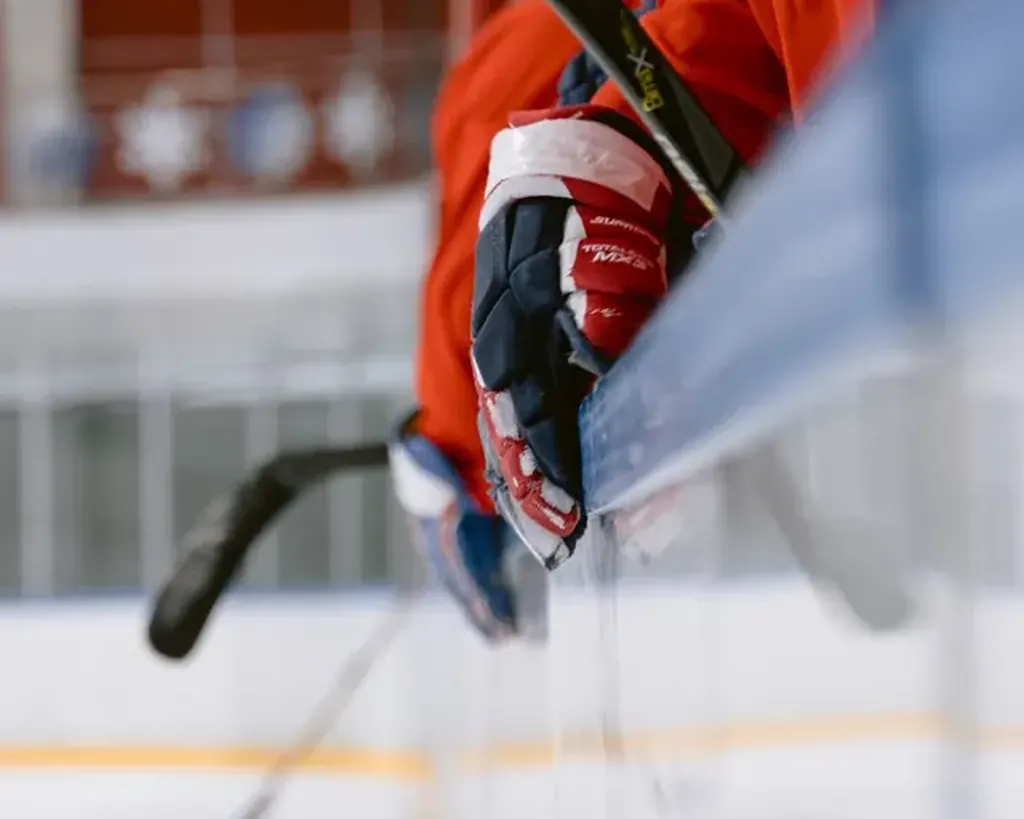
Shoulder Pads: These protect the chest, shoulders, collarbone, and upper back. They should allow for full arm movement. The cap should sit squarely on the shoulder. Elbow Pads: Perhaps the most important pad after the helmet. They must cover the entire elbow bone and part of the forearm and bicep. Secure straps are vital to keep them in place during a fall. Gloves: They should allow for a full grip on the stick. The cuff should overlap with the elbow pad, leaving no gap. Let your kid make a fist and move their wrists to check for mobility.H3: 2.2 Lower Body: Pants, Shin Guards & Jock/Jill
Hockey Pants (Breezers): These protect the hips, tailbone, and thighs. They should reach just to the top of the kneecap and feel secure at the waist without being too tight. Shin Guards: These are critical. They must cover from just below the knee to the top of the skate tongue. When kneeling, the knee should fit snugly into the knee cup. The guard should not slide down into the skate. Athletic Supporter (Jock/Jill): This is a mandatory piece of safety equipment, not just for pelvic protection but because it has a velcro pouch to hold the... ...Kidney Guard (or Girdle): A lightweight pad that protects the lower back and kidneys. It attaches directly to the jock/jill.Step 3: The Final Layer – Base Layers, Bag, and Extras
The finishing touches that make getting dressed easier and keep your player comfortable.
H3: 3.1 Base Layer & Socks
Moisture-Wicking Undershirt & Pants: Avoid cotton at all costs! Cotton holds sweat and gets cold. Use synthetic, moisture-wicking materials (like polyester) to stay dry and warm. Hockey Socks: These are the long, team-colored socks that go over the shin guards. You’ll need sock tape or a velcro strap (called a "garter belt") to hold them up. Neck Guard (BNQ Certified): A cut-resistant neck guard is required in most youth leagues. Look for the BNQ certification.H3: 3.2 The Gear Bag and Essentials
Hockey Bag: Get a bag with separate compartments for skates (to keep blades away from other gear) and wet gear. Wheels are a game-changer for parents! Essential Extras: Skate guards (for walking off the ice), hard skate guards (for storage/drying, NEVER for walking), a water bottle, stick tape (both black friction tape for the blade and clear/white tape for the knob), and a small sharpening stone for fixing nicks on skate blades.Pro Tips & Common Mistakes to Avoid
Tip: Buy Used (Selectively). For items like pants, shoulder pads, and gloves, gently used gear from a reputable source can be a fantastic way to save money. Never buy a used helmet or used skates that are overly broken down. Mistake: Dressing at Home. Have your kid try on the entire kit in the store. They need to move in it, squat, and swing a stick to ensure nothing pinches or gaps. Tip: Label Everything. Use a permanent marker or custom labels. Gear gets mixed up in locker rooms. Mistake: Neglecting Skate Care. Teach your player to dry their skate blades thoroughly after each use and to use soft soakers (terry cloth guards) when the skates are in the bag. Get them sharpened regularly at a trusted shop. * Tip: Connect with the Community. Check out fan analysis sites like Canucks Army for more than just game stats—they often have great community discussions about local hockey programs and gear tips.
Want to show off your team pride off the ice? Check out our guide to Official Vancouver Canucks Merchandise for jerseys, hats, and more. And for the true collector in the family, our Canucks Vintage Merchandise Collector's Guide is a deep dive into team history.
Your Canucks Youth Hockey Starter Kit: Final Checklist
Use this bullet list as your final line change before hitting the store. Mark each item off as you secure it!
- SKATES: Snug fit, measured with hockey socks on. Heel locked, toes lightly brushing.
- HELMET & CAGE: CSA/HECC/CE certified. Proper fit test passed. Cage doesn’t contact face.
- STICK: Correct length (chin to nose). Mid-curve pattern (e.g., P88).
- SHOULDER PADS: Allows full range of motion. Caps sit squarely on shoulders.
- ELBOW PADS: Completely cover elbow bone. Straps secure.
- GLOVES: Good stick grip. Cuff overlaps elbow pads.
- HOCKEY PANTS: Reach top of kneecap. Secure waist fit.
- SHIN GUARDS: Cover knee to skate tongue. Knee fits snugly in cup.
- ATHLETIC SUPPORTER (Jock/Jill) & KIDNEY GUARD: Properly fitted.
- MOISTURE-WICKING BASE LAYER: Top and bottom (no cotton!).
- HOCKEY SOCKS & TAPE/GARTER: For holding socks over shin guards.
- NECK GUARD: BNQ certified.
- GEAR BAG: With separate skate compartment (wheels recommended).
- ESSENTIAL EXTRAS: Skate guards (soft & hard), water bottle, stick tape, sharpening stone.
For all things related to Canucks gear, from player specs to fan wear, bookmark our main hub at Canucks Gear & Equipment.
Reader Comments (0)