

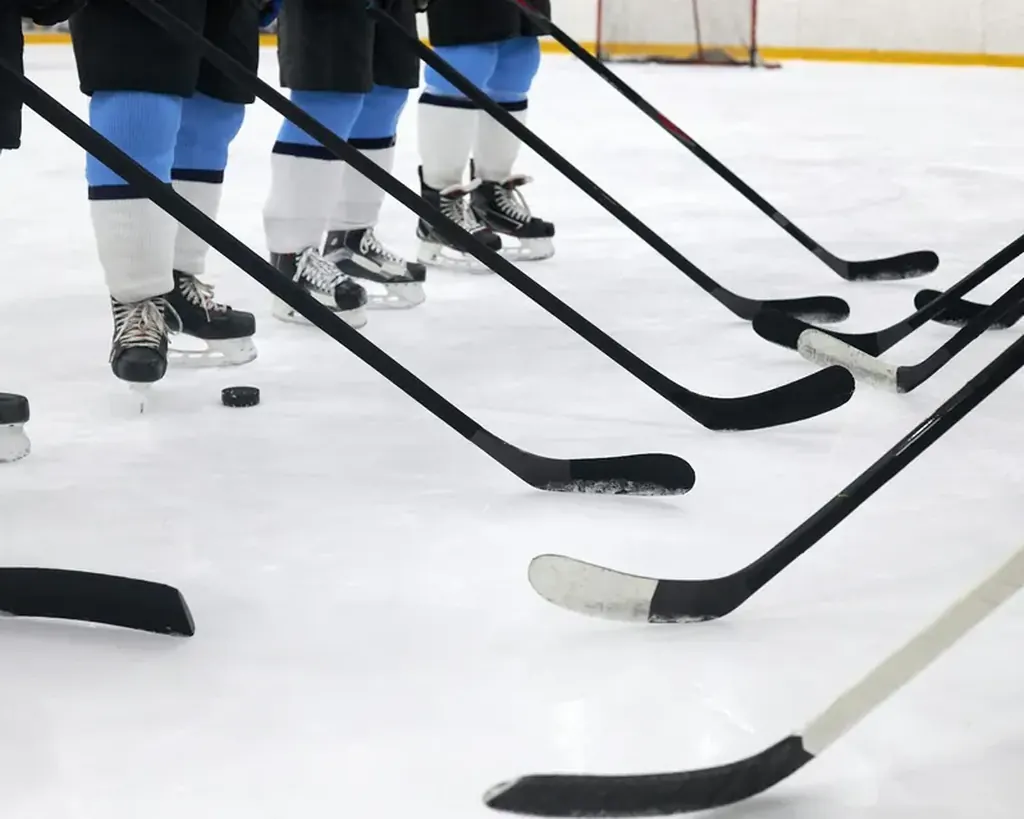
So, you're watching a Vancouver Canucks game, and the broadcast zooms in on Quinn Hughes adjusting his gear during a break. You notice the distinct tape on his socks and wonder, "What's the deal with all that?" From the tape on their socks to the specialized accessories hidden under their jerseys, every piece of gear has a purpose. For fans, understanding this equipment isn't just about the "what"—it's about appreciating the "why" behind the details that help our favorite players perform. This guide will break down the essential tapes and accessories you see on your Canucks, turning you from a casual observer into a gear-savvy fan.
Hockey Sock Tape
This is the classic cloth tape you see wrapped around a player's socks, just below the knee. Its primary job is to hold up the long hockey socks (which are more like knitted leggings) and keep them snug against the shin pads underneath. For players like Elias Pettersson, a secure fit is crucial; it ensures his shin guards don't shift during a powerful stride or shot, providing consistent protection and comfort.Clear Sock Tape (aka Shin Guard Tape)
A transparent, often glossy tape used under the traditional sock tape or on its own. Players use it to directly secure their shin pads to their legs before putting on their hockey socks. This creates a stable base layer, preventing any unwanted movement of the pads. It’s a popular choice for players who want a less bulky feel or a very specific pad placement.Garter Belt (or Hockey Garter)
An old-school but effective accessory worn around the waist with straps that clip onto the top of the hockey socks. Before velcro tabs on jerseys became standard, this was the primary method for holding socks up. Some veterans and traditionalists still prefer the customizable and secure fit of a garter belt, ensuring their socks stay perfectly positioned all game long.Velcro Sock Tabs (or Jersey Velcro)
Small patches of velcro sewn into the inside bottom hem of the game jersey. The corresponding velcro pieces are attached to the top of the hockey socks. When a player gets dressed, they connect these tabs, using the jersey itself to hold the socks up. This is now the most common system used across the National Hockey League, including by the Canucks.Knit Hockey Socks
These are the long, team-colored stockings that players wear over their shin pads. They are not the same as the socks you wear on your feet. The Canucks' iconic blue, green, and white stripes are knitted into these socks, making them a key part of the uniform's visual identity on the ice at Rogers Arena.Sock Tights / Base Layer Socks
A modern, one-piece alternative to separate knit socks and garters. These are tight-fitting, footed leggings that extend from toe to waist, with built-in grippers or fabric to hold shin pads in place and a waistband to keep everything up. They offer a streamlined, seamless fit that many players appreciate for reducing friction and bulk.Jock Shorts (or Compression Shorts with Cup)
A critical piece of protective underwear that includes a built-in pocket for a hard plastic protective cup. Modern versions are made of compression material, which supports muscles and holds additional padding for the hips and tailbone in place. Every player, from Thatcher Demko to J.T. Miller, wears this essential safety item.Pelvic Protector
Additional padded armor that attaches to or integrates with the jock shorts. It provides extra protection to the hips, thighs, and lower abdomen—areas vulnerable to blocked shots, falls, and incidental contact. This accessory is about adding crucial safety without sacrificing too much mobility.Skate Tongue Protector / Guard
A padded piece, often made of felt or gel, that sits on top of the foot under the laces and skate tongue. Its job is to protect the sensitive tendons on the top of the foot from slap shots and errant skate blades. Given the velocity of pucks in the NHL, this small guard is a big deal for safety.Mouthguard
A molded piece of plastic that protects a player's teeth, gums, and jaw. While not always mandatory in the regular season, it is a required piece of equipment during the Stanley Cup Playoffs. Beyond safety, many players find it helps with breathing and focus during intense shifts.Neck Guard (or Bib)
A padded collar worn around the neck, typically made of cut-resistant material like Kevlar. It protects the jugular vein and carotid arteries from skate blades. While not mandatory for NHL players, it is a common-sense safety accessory, especially after warm-ups when jerseys are untucked.Wrist Guards
Lightweight, padded sleeves or bands worn on the wrists under gloves. They offer protection against slashes, puck impacts, and the wear-and-tear of constant stick handling. For a playmaker like Quinn Hughes, who has the puck on his stick so often, protecting his wrists is a smart move.Blocker
The rectangular pad worn on the hand that holds the stick by a goaltender like Thatcher Demko. It is used to deflect shots wide and also as a punching tool to clear the puck from the front of the net. Its surface is designed for rebound control.Catcher (or Trapper)
The large, mitt-like glove worn on a goalie's non-stick hand. It is designed to catch and secure the puck on shots, much like a baseball mitt. A goalie's ability to "flash the leather" with a quick glove save is a thing of beauty and a key part of their equipment arsenal.Goalie Skates
Specialized skates with a flatter, longer blade for better stability and balance side-to-side. The boot is also lower-cut and more protective to withstand repeated puck impacts. The design is fundamentally different from player skates, built for sliding and positioning rather than explosive speed.Stick Tape (Grip Tape)
The rough, black cloth tape (though some use white) wrapped around the top of the hockey stick's shaft. It provides a grippy, tactile surface for a player's top hand, allowing for better stick control, puck handling, and shot power. The amount and tightness of the wrap are highly personal preferences.Stick Tape (Blade Tape)
Tape (usually white) applied to the blade of the stick. It primarily protects the blade from wear and moisture, but it also provides a slightly rougher surface to better cradle and control the puck. Players often create a specific toe-to-heel pattern, a ritual as personal as their shot.Butt Endz / Knob Grip
A pre-molded, often rubber, cap that fits over the top (or "butt end") of the hockey stick. It provides a comfortable, non-slip grip for the bottom hand and helps a player feel the end of their stick without looking. Captain Hughes is known for his distinctive, large knob that aids in his puck control.Skate Guards
Hard plastic covers that slip over skate blades when a player is off the ice (e.g., walking to the locker room or the bench). They protect the sharp edges of the blade from damage and prevent the player from slipping on hard floors. You'll see them on players entering and exiting the ice at Rogers Arena.Helmet Visor / Shield
A clear plastic panel attached to the front of a helmet to protect the eyes and face. While full cages are mandatory in junior hockey, most NHL players, following the lead of Head Coach Rick Tocchet from his playing days, opt for a half-visor that protects the eyes while maintaining a full field of vision.Ear Guards
Integrated padding within the helmet that covers and protects the ears. This is a mandatory safety feature in all certified hockey helmets, designed to prevent serious injury from impacts or falls. It's a subtle but vital part of the helmet's protective system.Custom Mouthguard Molds
Many professional players have mouthguards custom-molded by a dentist to fit their teeth perfectly. This offers superior protection, comfort, and fit compared to generic "boil-and-bite" models, and can even be designed to aid breathing and jaw alignment.Equipment Managers
The unsung heroes of the team. These staff members are responsible for every piece of gear, from sharpening skates and repairing sticks to laundering jerseys and applying fresh tape. The work of General Manager Patrik Allvin builds the roster, but the equipment managers ensure they're ready to play.Gear Trolley
The large, wheeled trunks you see being loaded onto the team plane or truck. These are meticulously packed by equipment managers with all the team's gear, uniforms, tapes, and tools. They are the mobile nerve center of the team's equipment operation for road trips.From the essential tape holding up the iconic Canucks stripes to the high-tech protective gear hidden from view, every item plays a role in the game. Understanding these pieces deepens your appreciation for the preparation and detail that goes into every shift at Rogers Arena. It’s a blend of tradition, personal preference, and cutting-edge technology—all in the pursuit of victory for the Vancouver Canucks. Want to rep your own gear? Check out our guides on official team merchandise and even vintage collectibles to show your support.
Reader Comments (0)