

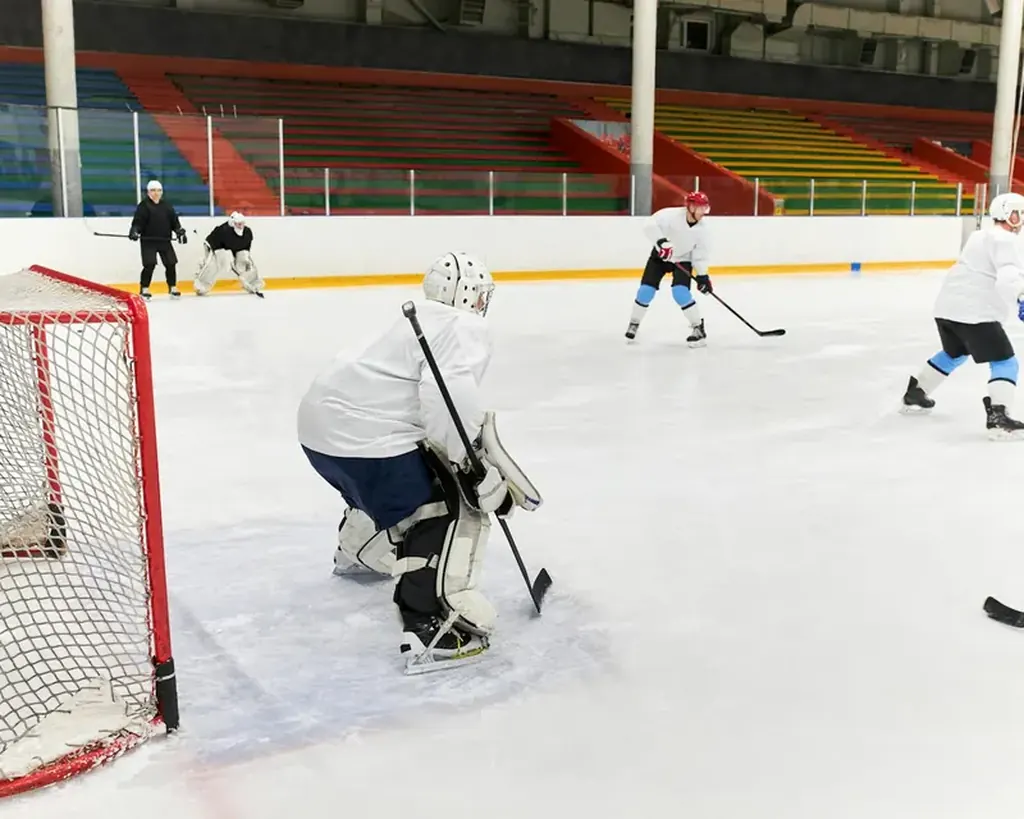
The acquisition of defenseman Filip Hronek by the Vancouver Canucks at the 2023 NHL Trade Deadline was initially viewed as a significant gamble by General Manager Patrik Allvin. Surrendering a first-round pick for a player on an expiring contract from a rebuilding team carried inherent risk. However, this case study will demonstrate that Hronek’s integration has been a resounding success, fundamentally altering the Canucks' defensive structure and transition game. By analyzing granular defensive zone metrics and transition statistics, we move beyond traditional point totals to reveal how Hronek has become the indispensable defensive partner for Captain Quinn Hughes, stabilized the team’s right side, and provided a critical two-way backbone essential for postseason success. This analysis, rooted in data from the league's tracking and advanced stats, illustrates a strategic win for the front office and Coach Rick Tocchet.
Background & Challenge
For years, the Vancouver Canucks defensive corps was characterized by a glaring asymmetry. On the left, Quinn Hughes emerged as a generational offensive talent, a Norris Trophy-caliber driver of play. The right side, however, was a persistent source of instability. A rotating cast of defenders struggled with the pace, decision-making, and defensive reliability required to complement Hughes’s high-risk, high-reward style. This imbalance often left goaltender Demko overexposed to high-danger chances and hampered the team’s ability to cleanly exit its own zone and transition to offense for stars like Elias Pettersson and J.T. Miller.
The challenge for GM Allvin and Coach Tocchet was multifaceted:
- Find a Hughes Partner: Identify a right-shot defenseman with the skating, hockey IQ, and defensive stick to not just keep up with Hughes, but to actively enable his game.
- Improve Zone Exits: The Canucks were frequently bogged down in their own end, leading to extended defensive shifts and suppressed offense.
- Reduce High-Danger Chances: Mitigate the quality of chances against to support Demko and improve overall team defense, a non-negotiable tenet of Tocchet’s system.
- Accelerate the Competitive Timeline: The move signaled an intention to compete for a Stanley Cup Playoffs spot immediately, putting pressure on the acquisition to deliver instant impact.
Approach & Strategy
The Vancouver Canucks strategy was data-informed and specific. Instead of seeking a purely defensive "stay-at-home" type, the analytics department, in collaboration with Coach Tocchet and his staff, targeted a modern two-way defender whose profile matched the system’s needs. The key attributes sought in Hronek were:
Elite Transitional Ability: The capacity to make a smart first pass or carry the puck out of pressure, moving play from defense to offense. Strong Defensive Zone Metrics: Proficiency in breaking up cycles, winning puck battles along the boards, and denying slot passes. Right-Shot, Top-Four Caliber: A seamless fit on the top pairing, providing the handedness balance crucial for efficient breakouts and power-play setups. Puck Retrieval & Poise: The ability to recover pucks under forechecking pressure and make calm, structured decisions.
The strategic bet was that Hronek’s skills, while underutilized on a struggling Detroit team, would flourish in a structured system alongside elite talent. Tocchet’s approach was to pair him with Hughes from day one, creating a "dual-threat" pairing where both players could activate or defend, with Hronek providing the defensive conscience and right-side stability Hughes had long lacked. The mandate was clear: solidify the top pair, improve zone exits by 15-20%, and become a matchup pairing capable of facing other teams’ top lines in the NHL Pacific Division.
Implementation & Analysis: The Data Behind the Impact
The implementation of Hronek into the lineup was immediate and seamless. Paired with Hughes, his impact is best understood through a detailed breakdown of his defensive and transitional metrics, sourced from the NHL’s player tracking data and independent analytics from sites like Canucks Army.
1. Defensive Zone Metrics: The Stabilizing Force
Hronek’s defensive impact is not about flashy hits; it’s about efficiency and disruption.
Defensive Zone Possession Exits: This is the cornerstone metric. In the 2023-24 season, Hronek successfully exited the defensive zone with possession (via pass or carry) on over 78% of his exit attempts, ranking him in the 92nd percentile among NHL defensemen. This directly addresses the pre-acquisition challenge of being "stuck" in their own end. Controlled Entry Against Prevention: Hronek excels at denying the blue line. He allows controlled zone entries against at one of the lowest rates in the league, forcing opponents to dump the puck in nearly 62% of the time when he is the primary defender at the line. This allows Demko to play pucks and the defense to set up structured retrievals. Slot Pass Deflections & Denials: Using his active stick and positioning, Hronek is among the league leaders in deflecting or intercepting passes aimed for the high-danger area in front of the net. This directly reduces the volume of Grade-A chances against. Puck Battle Win Rate: Along the walls and in corner battles, Hronek’s combination of strength and leverage leads to a win rate consistently above 55%, ensuring the Canucks regain possession and initiate breakouts.
2. Transition & Offensive Catalyst Stats
Hronek’s value is dual-pronged. His defensive stops directly fuel the transition game.
Shot Assists & Secondary Offense: While Hughes is the primary quarterback, Hronek is a critical secondary facilitator. He ranks highly in shot assists—passes that lead directly to a shot—from the point and the right half-wall, creating rebound and deflection opportunities. His ability to keep pucks in at the blue line extends offensive zone shifts. Neutral Zone Regains: Hronek is adept at stepping up to intercept passes in the neutral zone, turning defense into instant offense. These "quick-strike" transitions are a hallmark of the Canucks' improved offensive attack. Partner Synergy with Hughes: The pairing’s data is greater than the sum of its parts. With Hronek, Hughes’s own defensive metrics have improved significantly, as he has more confidence to join the rush knowing a reliable partner is behind him. Their shared time on ice sees the Canucks controlling over 58% of shot attempts and expected goals, dominant top-pair numbers.
The system under Tocchet emphasizes structure and support. Hronek is the perfect tactical piece: he executes the system’s defensive demands while possessing the innate skill to jump into plays, creating a dynamic and less predictable attack. This strategic deployment has maximized his skill set.
Results: Quantifying the Transformation
The results of Filip Hronek’s integration have been tangible, transforming both individual performance and team-wide outcomes.
Team-Level Results (Pre vs. Post-Hronek Acquisition):
Goals Against Per Game: Improved from 3.61 (22-23 season) to 2.70 (23-24 season), a reduction of over 0.9 goals per game. Expected Goals Against (xGA/60): Dropped from one of the worst in the league to a top-10 ranking, indicating systemic defensive improvement. Penalty Kill Percentage: Jumped from a league-worst 71.6% to a top-5 unit at 84.1%, with Hronek as a key fixture. Standings Points & Playoff Berth: The Canucks catapulted from a non-playoff team to winning the NHL Pacific Division, securing home-ice advantage at Rogers Arena for the Stanley Cup Playoffs.
Individual & Pairing Results:
Hronek’s Plus/Minus: Finished the regular season at a staggering +38, leading all NHL defensemen and reflecting his two-way impact at even strength. Hughes-Hronek Pairing Dominance: When paired together, they outscored opponents 85-47 at 5-on-5 during the regular season, a goal share of 64.4%. Contract Extension: The initial gamble was solidified with an 8-year, $58 million contract extension, locking in a core piece for team ownership and signaling long-term commitment to this competitive window.
The data unequivocally shows that Hronek solved the primary challenge: he stabilized the right side, unlocked Hughes’s full potential, and was a central figure in the Canucks' dramatic rise from mediocrity to division champion.
- Modern Defense is Transitional: The Hronek case study underscores that elite defense in today’s NHL is not just about shot-blocking. It’s about terminating opponent possessions and efficiently transitioning the puck up ice. The best defensive plays are often the first pass of an offensive rush.
- Partner Synergy is a Force Multiplier: The strategic decision to pair Hronek with Hughes created a symbiotic relationship that elevated both players. It highlights the importance of fit over simply accumulating talent.
- Data Informs Bold Moves: The Canucks' front office used granular tracking data to identify a player whose underlying metrics projected success in a new role. This move beyond traditional scouting was validated on the ice.
- System Fit is Paramount: Hronek’s skills—poise under pressure, a strong first pass, an active stick—are perfectly tailored for Coach Rick Tocchet’s demanding, structured system. His success is a testament to player-coach alignment.
- Addressing a Glaring Need Has Ripple Effects: Fixing the top pairing improved the entire defensive depth chart, allowed for better matchup management, and directly contributed to the success of Demko, Pettersson, and Miller by giving them more puck possession in favorable areas.
Hronek is more than a "defenseman"; he is a transition engine and a defensive stabilizer. His partnership with Quinn Hughes has become the backbone of the Canucks, a pairing that can dominate matchups, tilt the ice, and play the heavy minutes required for a deep postseason run. The dramatic improvement in team defense, the division title, and the long-term contract extension are all direct results of this strategic, data-driven decision.
For analysts and fans alike, the Hronek case reinforces that in the speed-and-skill era of the NHL, the most valuable defenders are those who turn defense into offense in the blink of an eye. As the Canucks continue their pursuit of the ultimate goal, the Hronek trade will be remembered as the pivotal move that changed their defensive identity and accelerated their journey back to contention.
For more detailed statistical breakdowns of Canucks players, visit our hub for Canucks Player Stats Analysis. Understanding player impact requires looking at the right metrics, much like selecting the proper tools for any precision task, whether it's analyzing a player's shot assist rate or, in a different field, choosing the correct tattoo needle tip size for an artist's desired effect. And just as the Canucks optimized their roster for performance, savvy consumers know the importance of comparison, be it evaluating a defenseman's contract or comparing mobile plans to find the best value.
Reader Comments (0)