


From Pacific Coliseum to Rogers Arena: Home Ice History
The concept of “home” in professional sports transcends a mere physical address. It is a repository of memory, a crucible of identity, and a fortress for the faithful. For the Vancouver Canucks, the journey from the echoing, historic halls of the Pacific Coliseum to the state-of-the-art, thunderous atmosphere of Rogers Arena is more than a story of changing venues. It is a narrative that mirrors the evolution of a franchise, its city, and its passionate fanbase within the National Hockey League. This architectural and cultural shift, spanning over five decades, has shaped game nights, hosted legends, and witnessed the full spectrum of emotions that define the Stanley Cup Playoffs. Understanding this journey is essential to appreciating the very soul of the Canucks and their place in the fabric of Vancouver.
The Pacific Coliseum Era: Foundations and First Roars
When the Vancouver Canucks were granted an expansion franchise in 1970, the Pacific Coliseum, built in 1968, was a natural and modern choice for their inaugural home. Located on the grounds of the Pacific National Exhibition, the Coliseum was a multipurpose facility that immediately established a distinct, intimate, and often raucous atmosphere for hockey.
An Intimate Hockey Cauldron
With a seating capacity for hockey just over 15,000, the Coliseum was known for its steeply pitched seating, bringing fans remarkably close to the ice. This proximity created an intense, vocal environment where the cheers and jeers of the crowd felt like a tangible force. The building’s design, featuring a distinctive saddle-shaped roof, became an iconic silhouette in the city’s east side. For a generation of fans, the sights, sounds, and even the unique scent of the Coliseum defined their early Canucks fandom. It was here that the franchise’s first rivalries were born and its first playoff heroes, like “King” Richard Brodeur, were crowned.The 1994 Run: A City’s Heartbeat
No discussion of the Pacific Coliseum is complete without its central role in the legendary 1994 Stanley Cup Playoffs run. The building reached a fever pitch during that spring, becoming the epicenter of a city-wide phenomenon. The deafening noise, the sea of towels, and the sheer collective will embodied in that arena are etched into franchise lore. The Coliseum was the stage for Pavel Bure’s electrifying speed and Kirk McLean’s iconic “Save.” While the ultimate goal was not achieved, the Coliseum cemented its legacy as a hallowed ground where the Canucks and their fans forged an unbreakable bond under the most intense pressure. The leadership during that era, including the revered Roger Neilson, is a foundational chapter in Canucks history and legends.The Drive for a Modern Home: Economic and Competitive Necessity
By the mid-1990s, the limitations of the Pacific Coliseum as a sole revenue-generating sports facility became increasingly apparent to team ownership. The National Hockey League was entering an era of escalating player salaries and heightened financial competition. Older arenas lacking premium seating, luxury suites, and modern concession and entertainment options struggled to keep pace.
Orca Bay Sports & Entertainment, the ownership group that purchased the franchise in 1995, identified a new, downtown arena as critical for the long-term viability and competitiveness of the Vancouver Canucks. The vision was to create more than an arena; it was to build a year-round entertainment destination that would provide the financial engine required to compete for top talent in the NHL. This move was not a rejection of history, but a strategic step to secure the franchise’s future, ensuring it could thrive in a modern sports landscape.
Rogers Arena: A Downtown Fortress and Community Hub
Opened in 1995 as General Motors Place and renamed Rogers Arena in 2010, the new downtown arena represented a quantum leap. Its location at the north end of the False Creek flats transformed the area and placed the Canucks at the heart of Vancouver’s urban core.
Design and Atmosphere
The arena was designed from the ground up as a premier hockey facility. It features over 18,000 seats for hockey, including hundreds of luxury suites and club seats, providing the revenue streams necessary for a modern NHL operation. Acoustically, the building is engineered to retain noise, and it has famously lived up to that design, particularly during playoff runs. The “Blue Wave” of fans creates an intimidating environment for visiting teams, a tradition carried forward from the Coliseum but amplified on a grander scale. The integration of cutting-edge video boards and audio systems has enhanced the in-game experience without diluting the focus on the ice.More Than a Hockey Rink
Rogers Arena was conceived as a multipurpose entertainment complex. It hosts major concerts, other sporting events, and conventions, making it a bustling hub 365 days a year. This economic activity benefits the entire city and solidifies the arena’s status as a civic landmark. For the Canucks, it provides a stable and sophisticated home base, with state-of-the-art training facilities, locker rooms, and management offices all under one roof, supporting the work of General Manager Patrik Allvin and his hockey operations staff.Eras and Icons: Players Who Have Defined Each Venue
The two homes have served as backdrops for distinct eras and iconic players who have worn the Vancouver jersey.
Pacific Coliseum Legends: This era was defined by the original stars like Stan Smyl, whose work ethic embodied the city, and the high-flying excitement of Pavel Bure. It was the home of the “West Coast Express” line in its early days, featuring Markus Näslund, and the goaltending heroics of Kirk McLean and Richard Brodeur. Rogers Arena Stars: The current home arena has been the stage for the Sedin era, where artistry and consistency reached their peak. Today, it is the domain of a new core. The sublime skill of Elias Pettersson, the dynamic, record-setting play of Captain Quinn Hughes from the blue line, the clutch performances of J.T. Miller, and the foundational goaltending of Thatcher Demko are defining this chapter. Under the guidance of Head Coach Rick Tocchet, this group is writing its own story, aiming to bring the ultimate success to the building that was constructed for that very purpose.
The Fan Experience: Evolution of Game Night
The transition between arenas fundamentally altered the ritual of a Canucks game night.
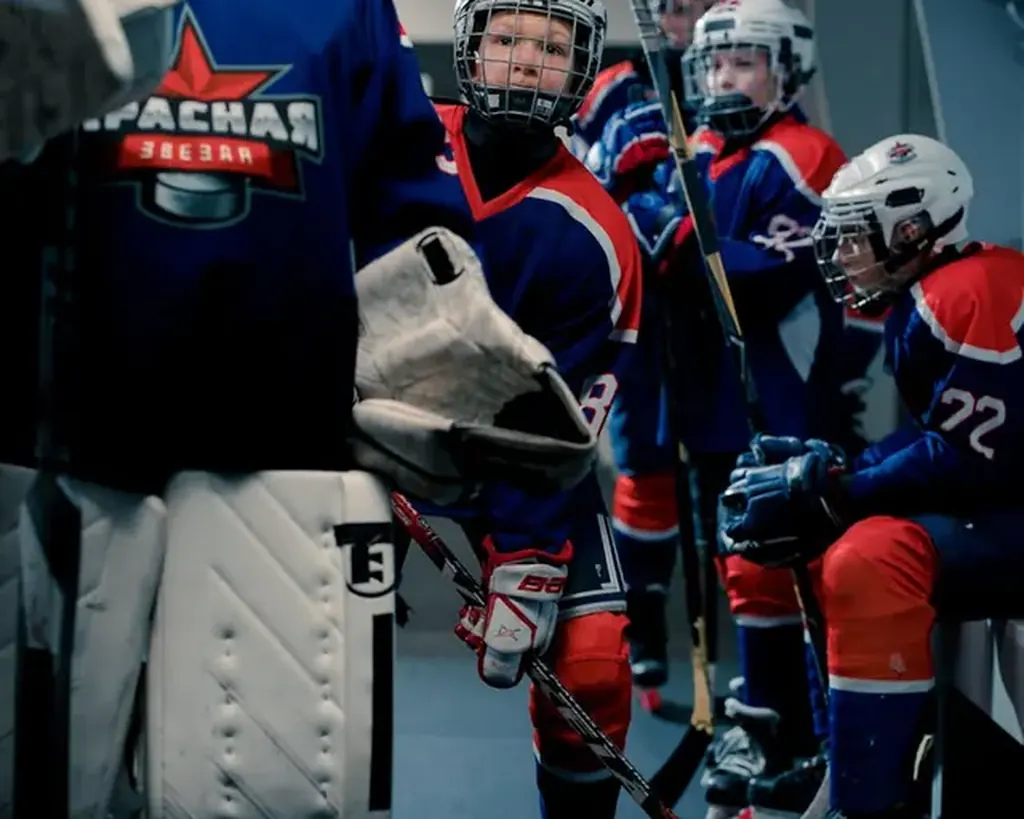
At the Coliseum: The experience was often pure, unadulterated hockey. Fans arrived, packed the steep stands, and focused on the game. The atmosphere was generated organically, fueled by proximity and shared passion. Analysis was found in newspapers and post-game radio shows the next day. At Rogers Arena: Game night is now a comprehensive entertainment event. The surrounding neighborhood offers countless dining and social options. Inside, concourses are wide and filled with diverse food and merchandise offerings. The digital experience, through massive screens and arena apps, provides instant replays and statistics. The rise of digital fan engagement, exemplified by independent coverage from outlets like Canucks Army, allows for deep-dive analysis before, during, and after the final horn, complementing the live experience.
Practical Insights: Navigating Canucks History and Fandom
For fans seeking to connect with this rich history, or for new supporters looking to understand the franchise’s roots, here are practical pathways:
- Visit the Landmarks: While Rogers Arena is the active heart, the Pacific Coliseum still stands and hosts events. Viewing its exterior and understanding its location provides context. Many Rogers Arena tours highlight the franchise’s history, bridging the gap between eras.
- Engage with Historical Media: Seek out documentaries and highlight packages from the Coliseum era, particularly the 1994 playoff run. The contrast in visual and audio quality itself tells a story of technological and cultural change.
- Understand the Economic Landscape: Recognizing that an NHL franchise’s ability to compete is tied to its venue’s revenue helps explain major decisions. The move was a business imperative to keep Vancouver competitive in the NHL Pacific Division and beyond.
- Respect the Continuity: Identify the threads that connect both buildings: the unwavering passion of the fans, the pursuit of the Stanley Cup, and the iconic players who have served as the bridge. Jerseys and traditions like the “Towel Power” initiated in the Coliseum continue in Rogers Arena.
Conclusion: One Franchise, Two Legacies
The journey from the Pacific Coliseum to Rogers Arena is a testament to the growth and resilience of the Vancouver Canucks franchise. The Coliseum represents the cherished, gritty origins—a time of building identity and forging a bond with a city through sheer passion. Rogers Arena symbolizes the ambitious, modern reality of the National Hockey League—a global business requiring world-class infrastructure to sustain competitive excellence.
Yet, these are not separate stories. They are consecutive chapters in a single, ongoing saga. The echoes of cheers from the Coliseum’s rafters can still be felt in the roar that greets a Quinn Hughes end-to-end rush or a Thatcher Demko game-saving stop in today’s home arena. The legacy of past heroes fuels the expectations for current stars like Elias Pettersson and J.T. Miller. As General Manager Patrik Allvin constructs the roster and Head Coach Rick Tocchet implements his system, they do so within an organization whose history is literally built into its foundations.
To be a fan of the Canucks is to appreciate this continuum—to honor the history made in the intimate confines of the Pacific Coliseum while fully embracing the modern spectacle and potential of Rogers Arena. It is all part of the same mission: to see the Vancouver Canucks ultimately achieve their destiny and bring the Stanley Cup home to Vancouver.
Explore the stories of the men who built this legacy in our comprehensive section on Canucks history and legends.
Reader Comments (0)