

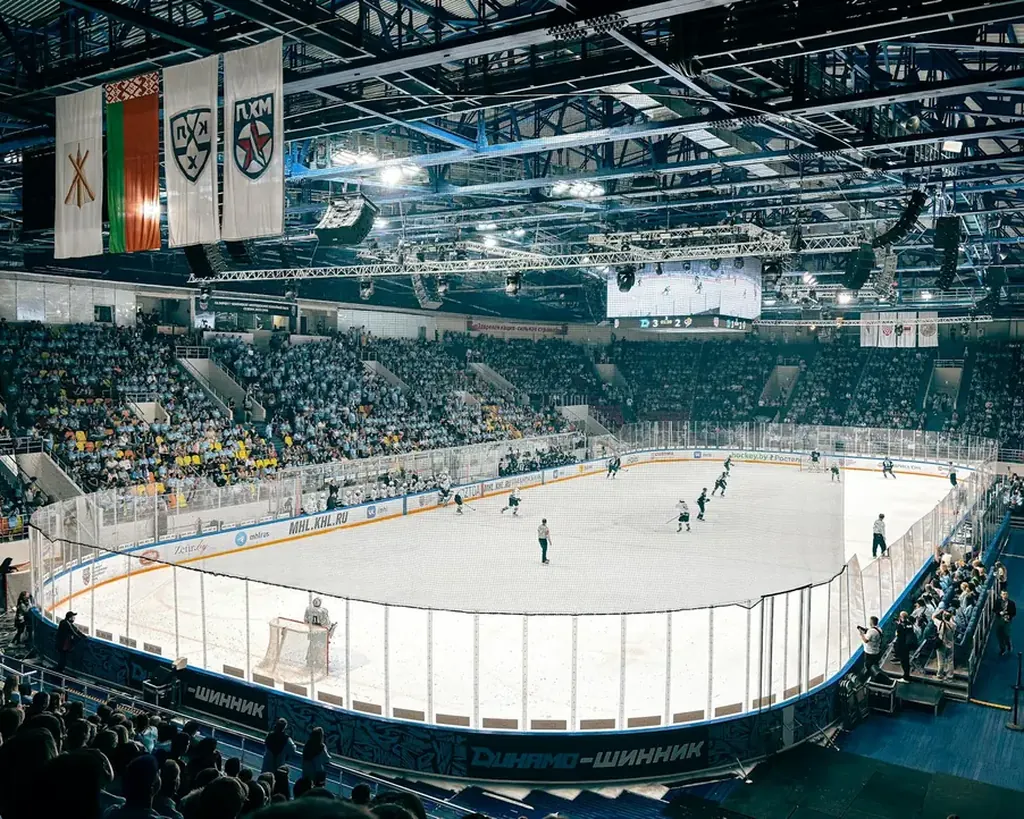
The identity of a hockey team is forged on the ice by its players, but it is sculpted from the bench by its head coach. For the Vancouver Canucks, a franchise with over five decades of history in the National Hockey League, the journey has been defined by a succession of leaders who have each left an indelible mark on the club’s culture, strategy, and pursuit of the ultimate prize. From the expansion-era pioneers to the modern tacticians guiding stars like Elias Pettersson and Quinn Hughes, the head coach’s role has been pivotal. This guide delves into the legacy behind the bench, exploring the philosophies, milestone victories, and defining eras orchestrated by the men tasked with steering the Canucks through the triumphs and tribulations of the NHL.
Understanding this coaching lineage is more than a historical exercise; it provides essential context for the team’s current trajectory under Head Coach Rick Tocchet and General Manager Patrik Allvin. It reveals patterns in team building, the evolution of playing styles, and how the pressure-cooker environment of Vancouver shapes its leaders. As we examine this history, we connect the foundational strategies of the past to the present-day quest for success in the NHL Pacific Division and the Stanley Cup Playoffs.
The Foundational Era: Building an Expansion Franchise
The Vancouver Canucks entered the league in 1970, and their early years were a testament to the challenges of building a competitive team from scratch. The initial head coaches were tasked not only with teaching systems but with instilling a professional identity.
Hal Laycoe (1970-72): The franchise’s first head coach faced the unenviable task of molding a roster of cast-offs and rookies. His tenure was short, but it established the team’s initial footprint in the NHL. Phil Maloney (1972-76): Maloney, a former Canucks player, brought stability and guided the team to its first-ever playoff berth in the 1974-75 season. This period was about achieving respectability and proving the fledgling franchise belonged. Orland Kurtenbach (1976-78): The franchise’s first captain became its head coach, emphasizing leadership and toughness. While the on-ice results were mixed, this era continued to build the team’s early character.
This foundational period was defined by incremental growth. Coaches operated with limited resources, focusing on effort and structure to compete against established clubs. The playing style was often straightforward and hard-nosed, a necessity for an expansion team finding its way.
The First Contenders: Playoff Breakthroughs and Near Misses
By the late 1970s and into the 1980s, the goal shifted from mere participation to becoming a legitimate threat. This era saw coaches who began to harness higher-end talent and implement more sophisticated systems aimed at postseason success.
Harry Neale (1978-84): Neale’s tenure represents the franchise’s first sustained period of competitiveness. He coached the Canucks to their first Stanley Cup Playoffs series victory in 1982, culminating in an improbable run to the Stanley Cup Final. His adaptable, player-friendly approach maximized the talents of a hard-working, underdog roster. The 1982 run remains a cornerstone of franchise lore, a testament to coaching that inspired peak performance at the right time. Roger Neilson (1984-87): Known as “Captain Video” for his innovative use of game tape, Neilson brought a new level of technical preparation and defensive structure to Vancouver. His analytical mind helped solidify the team’s identity as a disciplined, difficult opponent to play against.
The coaching philosophy during this contender phase evolved. It balanced motivational leadership (as seen with Neale’s 1982 run) with increased tactical preparation (pioneered by Neilson). The benchmark for success was clearly set: not just making the playoffs, but advancing in them.
The West Coast Express and the Pursuit of Excellence
The late 1990s and early 2000s ushered in the most exciting offensive era in franchise history, powered by the famed “West Coast Express” line. The coaches of this period were tasked with managing elite skill and enormous expectations.
Mike Keenan (1997-99): Hired to instill a win-now mentality, Keenan’s controversial and abrasive style led to a major roster overhaul. His tenure was brief but consequential, setting the stage for the core that would follow. Marc Crawford (1999-2006): Crawford was the perfect conductor for the high-flying offensive orchestra. Under his leadership, the Canucks won back-to-back NHL Pacific Division titles (2004, 2007) and played a thrilling, uptempo style. Players like Markus Näslund and Todd Bertuzzi flourished, and Rogers Arena became a fortress of offensive fireworks. Crawford’s era defined a generation of fans’ love for the team, emphasizing skill, pace, and entertainment.
This era demanded a coach who could relate to stars, empower creativity, and manage a locker room of strong personalities. The focus was squarely on outscoring opponents and capturing division supremacy, a marked shift from the defensive-minded systems of previous contenders.
The Cup Final Era: Defense, Depth, and a System to Believe In
Following a period of transition, the Canucks assembled a roster built on elite talent, remarkable depth, and a structured, puck-possession system. This required a head coach with the tactical acumen to implement a detailed game plan and the temperament to handle immense pressure.
Alain Vigneault (2006-13): Vigneault’s tenure is the most successful in franchise history by points percentage and playoff wins. He implemented a structured, defensively responsible system that perfectly complemented the twin superstars, the Sedin twins, and world-class goaltending. Under Vigneault, the Canucks won the Presidents’ Trophy in 2011 and 2012 and came within one game of the Stanley Cup in 2011. His calm demeanor and systematic approach created a regular-season juggernaut and a perennial postseason threat.
The coaching philosophy here was about systemic dominance. Every player, from the top line to the fourth, understood their defensive responsibilities, allowing for offensive creativity within a framework. It was a complete team identity that made Vancouver the class of the league for several seasons. For more on the legendary players who defined this and other eras, explore our hub on Canucks history and legends.
The Modern Transition: Rebuilds, Retools, and a New Foundation
The decade following the 2011 run was marked by cycles of retooling and rebuilding. Coaches during this period faced the challenge of developing young talent while maintaining competitiveness, often with rosters in flux.
Willie Desjardins (2014-17): Tasked with transitioning from the Sedin era, Desjardins’ tenure was defined by the emergence of young players like Bo Horvat. The team faced challenges in balancing development with results. Travis Green (2017-21): Green oversaw a significant portion of the rebuild, guiding the development of core pieces like Elias Pettersson, Quinn Hughes, and Thatcher Demko. His up-tempo style aimed to leverage the speed and skill of the new core, culminating in a return to the playoffs in the 2020 bubble. His era was about establishing a new, young identity for the Canucks.
This transitional phase highlighted the difficult dual mandate for a modern NHL coach: implement a system that puts players in a position to succeed now while fostering the long-term growth of the franchise’s future cornerstones.
The Tocchet Chapter: Accountability and a Return to Relevance
The current era under Head Coach Rick Tocchet marks a deliberate shift in philosophy and culture. Hired in January 2023, Tocchet and GM Patrik Allvin have been in lockstep about instilling a new standard.
Systematic Rigor: Tocchet has implemented a demanding, detail-oriented system focused on structured breakouts, relentless forechecking, and defensive accountability. It is a system designed for postseason success, where time and space are limited. Cultural Shift: The buzzword is “accountability.” Tocchet demands consistent effort and responsible play from every player, regardless of stature. This has meant elevated play from stars like Pettersson and Hughes, and a clear, defined role for veterans like J.T. Miller. * Milestone Momentum: This approach has translated directly to results. The 2023-24 season saw the Canucks surge to the top of the Pacific Division, powered by Hart-caliber play from Pettersson, a historic season from Captain Hughes, and Vezina-quality goaltending from Demko. Each victory under Tocchet isn’t just two points; it’s a validation of a process built on hard work and structure.
Tocchet’s philosophy is a blend of old-school accountability and modern tactical detail. It is a direct response to the franchise’s recent history, aiming to build a team that is difficult to play against every single night. The success of this approach is a testament to the alignment between the coaching staff and the front office led by Patrik Allvin.
Practical Insights: What Defines a Successful Canucks Coach?
The history of Vancouver Canucks head coaches reveals several consistent factors that contribute to success in this unique market:
- Adaptability: Successful coaches, from Harry Neale to Alain Vigneault, tailored their systems to their personnel. They did not force a square peg into a round hole but built a game plan around the roster’s strengths.
- Managing Pressure: The Vancouver market, with its passionate fanbase and intense media scrutiny, is a distinct challenge. Coaches who have thrived understood how to insulate their players while still being accountable to the public.
- Defensive Foundation: Even the most offensive teams in franchise history (the 2011 squad, for example) were elite defensively. A commitment to team defense has been the common thread in all deep playoff runs.
- Alignment with Management: Sustained success occurs when the head coach’s vision is fully supported and reflected in the roster construction by the general manager, as seen currently with Tocchet and Allvin.
- Player Development: In the modern NHL, a coach must be a teacher. The ability to develop young talent like Quinn Hughes and integrate them into important roles is non-negotiable.
Conclusion: A Legacy of Leadership and Looking Forward
The legacy behind the Vancouver Canucks bench is a rich tapestry of diverse personalities, evolving strategies, and a relentless pursuit of hockey’s ultimate goal. Each head coach has contributed a chapter to the ongoing story, shaping the franchise’s identity for their generation of fans. From the hard-nosed foundation builders to the innovative tacticians and the culture-setters of today, their collective impact is measured in milestone wins, playoff memories, and the standards they set.
Today, as Rick Tocchet guides a new core led by Elias Pettersson, Quinn Hughes, and Thatcher Demko, he does so with the weight and wisdom of that history. The current team’s resurgence is built on principles that have stood the test of time in Vancouver: structure, accountability, and defensive commitment. The journey continues, with each game adding to the legacy of not just the players on the ice, but the leadership behind the bench.
The story of the Canucks is continually being written, both on the ice and in the community. To see how the organization and its players make a difference beyond the rink, read about our community heroes and their off-ice impact.
Reader Comments (0)