

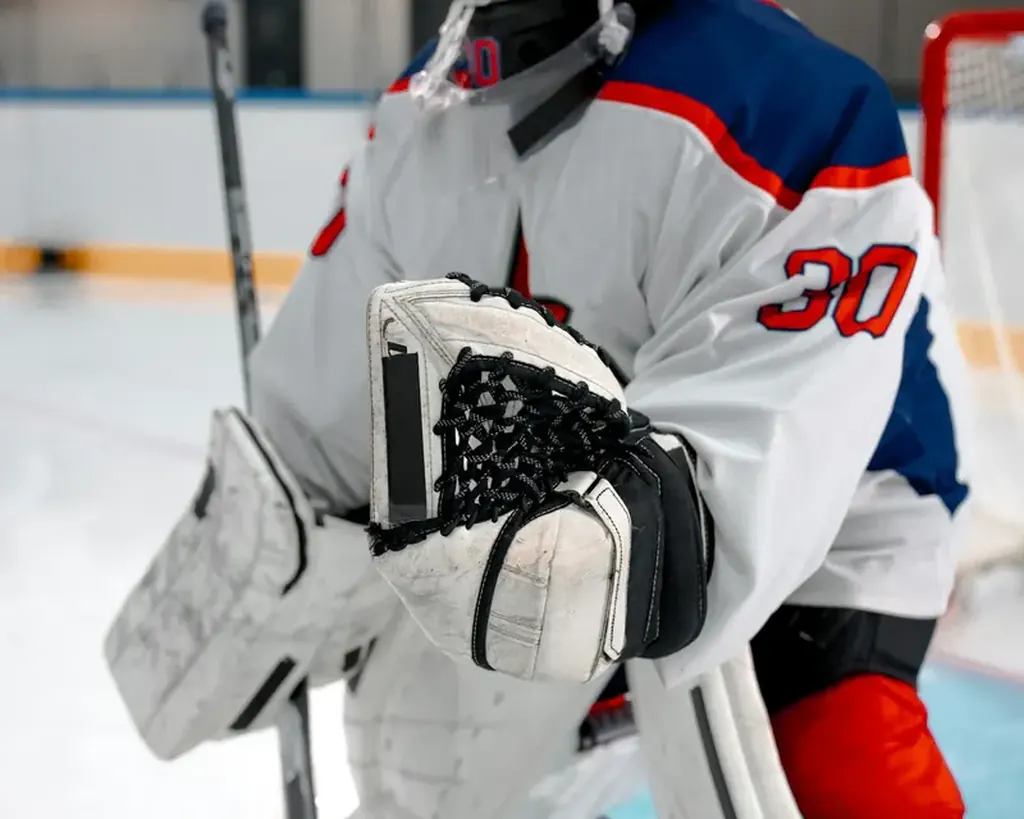
Previewing the Goalie Matchup for the Next Canucks Game
In the high-stakes chess match of the modern National Hockey League, few individual battles carry as much weight as the duel between the goaltenders. For the Vancouver Canucks, a team whose identity is increasingly built from the net out, understanding this matchup is paramount to predicting game flow and outcome. As the team navigates the grueling NHL Pacific Division schedule, each point is critical in the march toward the Stanley Cup Playoffs. This pillar guide dives deep into the art of previewing the goaltender confrontation, using the lens of the Canucks' next game to equip fans with the analytical tools to appreciate this pivotal aspect of the NHL.
Beyond simply asking "who's in net?", a true preview examines style, recent performance, historical tendencies, and how each goalie interacts with the team in front of them. Whether it's Thatcher Demko holding the fort at Rogers Arena or the Canucks' skaters preparing to challenge an opponent's last line of defense, the goalie matchup sets the tactical tone. Let’s break down how to analyze this crucial element for any Vancouver Canucks game.
The Foundation: Why the Goalie Matchup Dictates Game Strategy
The starting goaltender is more than just a position; it's a foundational game-state variable. Head Coach Rick Tocchet and his staff build their game plan with the opposing netminder in mind. Is the goalie a aggressive, athletic challenger or a calm, positional blocker? Does he struggle with high-glove shots or rebounds in tight? The answers directly influence shooting decisions for snipers like Elias Pettersson and J.T. Miller.
Conversely, the presence of Demko provides a backbone for the Canucks. His ability to make the routine save and steal the occasional high-danger chance allows defensemen like Quinn Hughes to activate in the offensive zone with confidence, knowing a stalwart is behind them. This symbiotic relationship between team and goalie is the first layer of any sophisticated matchup preview. A shaky performance can force a team to play overly cautious, while a hot goalie can embolden an entire roster.
Deconstructing the Canucks' Crease: The Thatcher Demko Factor
When Vancouver is set to start Thatcher Demko, the analysis begins with his current form. Demko’s game is built on elite athleticism, remarkable composure, and an efficient, compact style that has evolved under goaltending coach Ian Clark.
Key aspects to monitor in a Demko start: Health and Rhythm: Has he been playing consistently, or is this a return from a break or minor injury? Demko often thrives on a heavy workload. High-Danger Save Percentage: This stat measures performance on shots from the slot and crease area. A strong number here indicates he’s not giving up "soft" goals and is winning the mental battle. Rebound Control: Demko’s ability to swallow first shots and direct rebounds to corners is a hallmark of his game. When this is on, it severely limits an opponent's second-chance opportunities. Performance Against the Opponent: Historical data is insightful. Does this particular team’s shooters or offensive scheme give him trouble? Or does he traditionally own them?
A confident Demko transforms the Canucks from a competitive team into a formidable one. His Vezina-caliber potential is the single biggest X-factor in any game he starts, making the "Demko vs. [Opponent]" narrative a central theme for Canucks coverage.
Scouting the Opposition: Profiling the Enemy Netminder
A thorough preview requires an equally detailed scouting report on the expected opposing goalie. This goes beyond win-loss records.
A structured approach to scouting the opposing goalie:
- Style Analysis: Is he a butterfly technician, a hybrid scrambler, or a stand-up influence? This tells you where the net might be open (e.g., a deep crouching butterfly goalie can be vulnerable up high if screened).
- Recent Performance Trends: Look at his last 5-10 games. Is he on a hot streak, or has he been pulled recently? Goals Saved Above Expected (GSAx) is a more reliable metric than plain goals-against average (GAA), as it factors in shot quality.
- Weaknesses and Tendencies: This is where film study and data from sites like Canucks Army converge. Does he consistently drop early on dekes? Does he have a historically weak side (e.g., low blocker)? Can he handle a heavy net-front presence from players like J.T. Miller?
- Puck-Playing Ability: A goalie who handles the puck well can break forechecks and stifle a dump-and-chase strategy. One who is poor with the puck can create turnovers and extended zone time for the forechecking Canucks.
The Tactical Ripple Effect: How Matchups Influence Play
The goalie matchup directly dictates on-ice tactics. If the Vancouver Canucks are facing a goalie who is vulnerable to cross-ice, one-timer plays, expect Quinn Hughes and the power-play unit to prioritize seam passes for Elias Pettersson. If they are facing a large, positional goalie who covers the net well, the emphasis may shift to creating screens, tips, and hunting rebounds.
Defensively, the team’s trust in their own goalie changes risk calculus. With Demko locked in, defenders can play more aggressively at their own blue line, knowing he can handle a potential odd-man rush. If a backup is in or the starter is struggling, the system might tighten, prioritizing shot-blocking and safe exits above all else.
This strategic layer is what General Manager Patrik Allvin and the hockey operations staff consider when building the roster—ensuring they have the right mix of shooters, playmakers, and net-front specialists to exploit any type of goaltending they face in the NHL.
Historical Context and Psychological Edges
Goaltending is as mental as it is physical. Past performances can cast long shadows. A goalie who has been shelled by the Canucks in previous meetings may carry that doubt onto the ice at Rogers Arena. Conversely, a goalie with a history of stealing games in Vancouver can enter with a proven, confident blueprint.
Furthermore, the context of the game amplifies this. Is this a potential first-round playoffs preview? A divisional battle with NHL Pacific Division standings implications? Or a back-to-back scenario where fatigue is a factor? The pressure of the moment interacts uniquely with each goalie’s mental makeup. Thatcher Demko has shown a propensity to thrive in high-pressure games, a trait that will be invaluable if the team makes a deep postseason run, much like those documented in our history of Canucks playoff runs.
Practical Example: Previewing a Hypothetical Matchup
Let’s apply this framework. Suppose the Vancouver Canucks are hosting a top NHL Pacific Division rival.
Canucks Starter: Thatcher Demko (Confirmed). He’s won his last three starts with a .935 save percentage. Historically strong against this opponent. Opposing Starter: (Hypothetical) A young, athletic goalie with excellent reflexes but a tendency to over-slide and leave the post vulnerable on east-west passes. His rebound control is inconsistent. Key Tactical Implications for Vancouver: Power Play Strategy: The Canucks should look to exploit the lateral movement. Quinn Hughes at the top of the umbrella can orchestrate quick passes to force the goalie to slide, opening up the backside for Elias Pettersson. 5-on-5 Focus: Drive for second and third opportunities. Getting bodies like J.T. Miller to the net to pounce on rebounds will be crucial. Defensive Caution: The opposing team, knowing their goalie can be spectacular, may take more offensive risks. The Canucks must be disciplined and avoid odd-man rushes, trusting Demko to win the direct exchanges. * The X-Factor: The first ten minutes. If the Canucks can test the young goalie early with traffic and lateral movement and score first, they may plant seeds of doubt. If the opponent gets an early lead, their goalie can settle into a rhythm.
This level of preview moves beyond speculation into informed analysis, enhancing the viewing experience for every fan.
Beyond the Starter: The Role of the Backup and Long-Term View
A complete organizational view also considers the backup goaltender. Their performance in spot starts is essential for managing Demko’s workload over an 82-game season, a balance crucial for peak performance in the Stanley Cup Playoffs. The stability and confidence provided by a reliable tandem is a testament to the work of GM Patrik Allvin and the development system supported by Orca Bay Sports & Entertainment.
Furthermore, the goalie matchup isn’t a static picture. Injuries, slumps, and hot streaks can change the landscape overnight. Staying updated with practice reports and pre-game media availability from Coach Tocchet is essential for the final piece of the puzzle before puck drop. For a broader look at how these individual game previews fit into the season’s narrative, explore our hub for Canucks game previews and guides.
Conclusion: The Goaltending Duel as a Narrative Centerpiece
Previewing the goalie matchup is about understanding the heartbeat of the upcoming game. For the Vancouver Canucks, a team with aspirations of contending, every start by Thatcher Demko is an event, and every challenge of an opposing goalie is a tactical puzzle to solve. By focusing on style, form, history, and tactical ripple effects, fans can gain a deeper appreciation for this critical duel.
As the season progresses toward what the fanbase hopes will be a memorable postseason, these crease battles will only intensify. The lessons learned from breaking down regular-season matchups will illuminate the high-stakes goaltending dramas that define NHL history. Whether it’s a mid-week game at Rogers Arena or a potential future showdown in an event like the ones in our Canucks Winter Classic & Heritage Classic history, the goalies will write a major part of the story.
Stay locked to Canucks Chronicle for in-depth goalie analysis, pre-game reports, and post-game breakdowns throughout the season. The journey to the next win starts in the crease.
Reader Comments (2)