


For any franchise with aspirations of a long and successful Stanley Cup Playoffs run, a deep and well-constructed roster is not a luxury—it’s a necessity. The grind of the National Hockey League season exposes weaknesses, and a team’s ability to withstand injuries, match up against varied opponents, and maintain performance over 82 games hinges on the quality of its entire lineup, not just its top stars. For the Vancouver Canucks, the journey from playoff hopeful to legitimate contender has been paved by the deliberate roster architecture of General Manager Patrik Allvin and the demanding, detail-oriented system implemented by Head Coach Rick Tocchet.
This pillar guide provides a comprehensive breakdown of the current Canucks roster and organizational depth chart. We’ll analyze the strengths and potential vulnerabilities at each position, examine how the lineup is deployed, and project what it all means for the team’s fortunes in the ultra-competitive NHL Pacific Division. Understanding this depth is key to appreciating the team’s nightly strategy and its overarching path through the Canucks season schedule 2024-2025.
The Foundation: Top-Line Talent & Leadership
The Vancouver Canucks are built upon a core of elite, homegrown talent that drives the team’s offensive engine and sets the competitive standard.
The Centennial Captain: Quinn Hughes
Wearing the "C" for the franchise’s centennial season, Quinn Hughes has transcended his role as an elite offensive defenseman. Under Coach Tocchet, his defensive game has matured remarkably, making him a true all-situations, all-zones force. As the quarterback of the top power-play unit and a minutes-eating workhorse at even strength, Captain Hughes is the single most important player on the roster. His ability to transition the puck and control the game’s tempo from the back end is the catalyst for the entire system.The Franchise Center: Elias Pettersson
Elias Pettersson remains the focal point of the forward group. Whether he’s lining up at center or on the wing, his sublime skill, vision, and lethal shot make him a constant threat. The chemistry between Pettersson and Hughes on the power play is a primary weapon for Vancouver. His two-way responsibility has grown, and his success in driving his own line is paramount for creating the matchup headaches that deep teams possess.The Heartbeat: J.T. Miller
J.T. Miller embodies the identity Rick Tocchet wants his team to play with: direct, intense, and fiercely competitive. As a top-six center, he provides a perfect blend of scoring (consistently flirting with 100-point seasons), physicality, and face-off prowess. Miller is the emotional pulse of the team, often tasked with facing opponents’ top lines and taking critical defensive-zone draws. His versatility to also play the wing adds another layer of flexibility for the coaching staff.Goaltending: The Last Line of Defense
Stability in net is the bedrock of any contender, and the Canucks have one of the league’s best.
The Undisputed #1: Thatcher Demko
When healthy, Thatcher Demko is a Vezina Trophy-caliber goaltender. His combination of size, athleticism, and technical refinement gives Vancouver a chance to win every single night. His performance is the single biggest factor in the team’s defensive metrics and its ability to weather storms. Under goaltending coach Ian Clark, Demko has developed into a true franchise netminder capable of stealing playoff series—a memory still fresh for fans from the 2020 bubble run.Depth Behind the Starter
The acquisition of a reliable veteran backup has been a key priority. This role is crucial for managing Demko’s workload throughout the grueling NHL schedule, ensuring he is fresh and healthy for the postseason. The performance of the backup in 15-20 starts can be the difference between securing home-ice advantage or scrambling for a wild-card spot.Defensive Corps: Structure & Support
The transformation of the Vancouver defense from a liability to a strength has been central to the team’s resurgence.
Top Pairing & Hughes’ Partner
Quinn Hughes needs a stable, defensive-minded partner to unlock his full offensive potential. Finding a consistent right-shot defender to fill this role has been an ongoing project for GM Allvin. This player must be capable of handling tough minutes, killing penalties, and making a smart first pass.The Shutdown Unit
The second pairing is often tasked with neutralizing the opposition’s most dangerous lines. This unit is built on size, reach, defensive awareness, and a willingness to engage physically. Their success in limiting high-danger chances is critical to the team’s overall defensive structure.Third Pairing & Depth
Modern NHL success requires a competent and reliable third pairing that can provide 15-17 solid minutes per night. This includes a mix of mobility, puck-moving ability, and defensive reliability. Organizational depth beyond the top six, including players in the AHL with the Abbotsford Canucks, is essential for navigating the inevitable injuries that occur over an 82-game slate.Forward Lines: Balance, Identity & Scoring Depth
Gone are the days of the Canucks relying solely on one line to score. Rick Tocchet has emphasized a four-line structure where each unit has a clear identity and role.
The Top Six: Skill & Two-Way Play
The top two lines, centered by Pettersson and Miller, are expected to provide the bulk of the offense while also being responsible defensively. The wingers on these lines are a mix of elite finishers, playmakers, and puck-retrieval specialists. The ability of these lines to control possession and out-score elite competition is a primary benchmark for the team’s ceiling.The Bottom Six: Grind, Energy, & Matchups
This is where the Tocchet identity shines brightest. The third and fourth lines are constructed to be difficult to play against. They forecheck relentlessly, provide physical energy, excel on the penalty kill, and contribute timely secondary scoring. Players here are often specialists: elite face-off men, shot-blocking wingers, or heavy-hitting forecheckers. Their ability to tilt the ice in Vancouver’s favor and provide rest for the top lines is invaluable. For a deeper look at how these matchups are strategized, check out our game previews and guides hub.Special Teams Personnel
The power play units, orchestrated by Hughes and featuring Pettersson and Miller, are a major strength. The penalty kill, often staffed by bottom-six forwards and key defensemen, has become a aggressive, pressure-based system under Tocchet. Success in these special teams “mini-games” regularly decides tight contests at Rogers Arena and on the road.Organizational Depth & Future Considerations
A snapshot of the current roster only tells part of the story. Sustainable success requires a pipeline of talent.
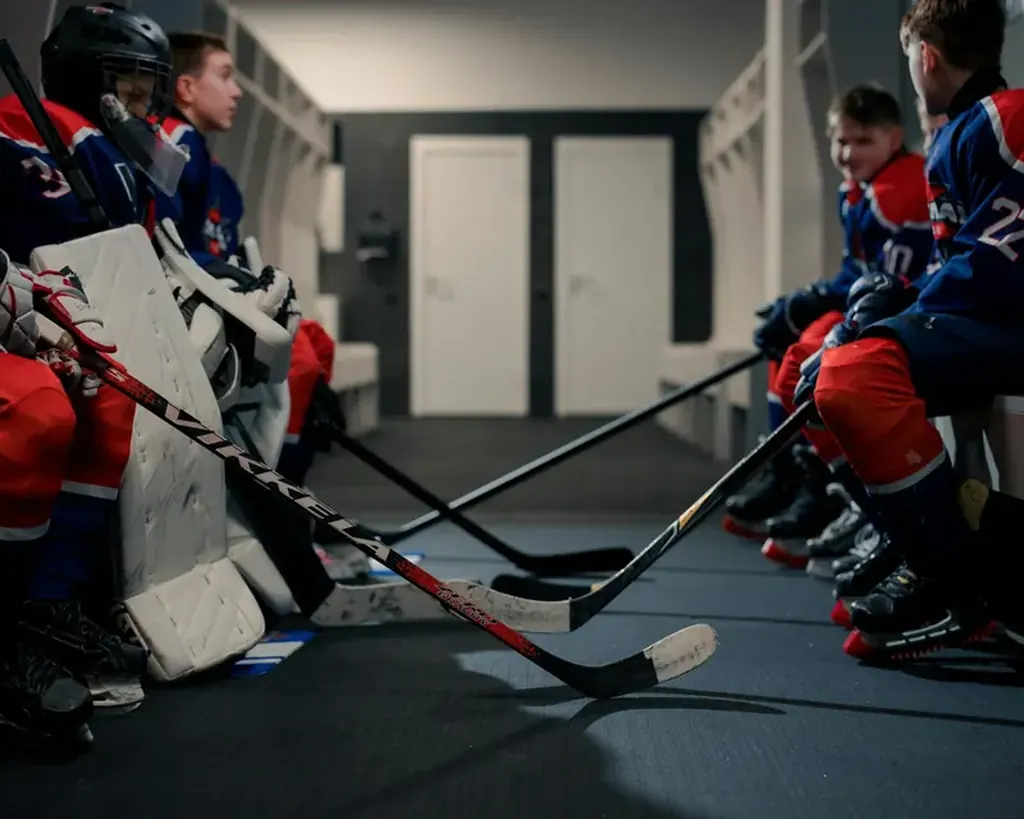
Prospect Pipeline & Call-Up Readiness
The Abbotsford Canucks (AHL) serve as the crucial development and readiness arm of the organization. Patrik Allvin and his staff have focused on replenishing the prospect pool through the draft and strategic signings. The readiness of prospects to step into NHL roles—whether as injury replacements or to inject youthful energy—is a key variable during the season. This depth is what prevents a single injury from derailing a campaign.Salary Cap Management & Roster Construction
GM Allvin operates under the constraints of the NHL salary cap, making every contract and transaction a calculated move. Balancing the big-ticket salaries of stars like Hughes, Pettersson, and Demko with cost-effective contributions from entry-level players and value signings is a perpetual challenge. The team’s cap health directly impacts its ability to add pieces at the trade deadline for a playoff push.Practical Implications: How This Depth Wins Games
Understanding the depth chart isn’t just an academic exercise; it manifests in tangible on-ice advantages.
Matchup Flexibility: With two strong scoring lines, Coach Tocchet can avoid having his stars constantly shadowed by an opponent’s top checkers. He can leverage last-change at home to create favorable matchups. Injury Insulation: When a top-nine forward or top-four defenseman goes down, the presence of a capable replacement prevents the system from collapsing. The drop-off in performance is minimized. Playoff-Style Hockey: The Stanley Cup Playoffs are a war of attrition. A deep, four-line team with multiple defensive pairings it can trust is built to withstand the increased physicality and intensity of a seven-game series. System Consistency: Whether it’s the forechecking pressure from the fourth line or the breakout execution from the third defensive pair, depth allows the team to play its structured system for a full 60 minutes, night after night.
Conclusion: A Contender Built on Depth
The Vancouver Canucks are no longer a top-heavy team hoping for their stars to carry them. Through strategic vision from Orca Bay Sports & Entertainment and the hockey operations department, they have constructed a roster with elite talent at the top, reinforced by layers of role-specific players who embrace a defined, demanding identity. From Thatcher Demko in the crease to Quinn Hughes on the blue line to the relentless forecheck of the bottom six, every piece is designed to fit within Rick Tocchet’s blueprint.
This comprehensive depth provides the resilience needed to thrive in the NHL Pacific Division and the weaponry required for a prolonged postseason run. While external analysis from sites like Canucks Army will continue to debate specific lineup choices, the overall structural strength of the roster is undeniable. The journey towards the ultimate goal is underway, and it is being powered by a complete team, built from the net out and reinforced through every line on the depth chart.
Stay locked to Canucks Chronicle for ongoing analysis, injury updates, and deep dives into lineup changes as the season progresses at Rogers Arena and beyond.
Reader Comments (0)