

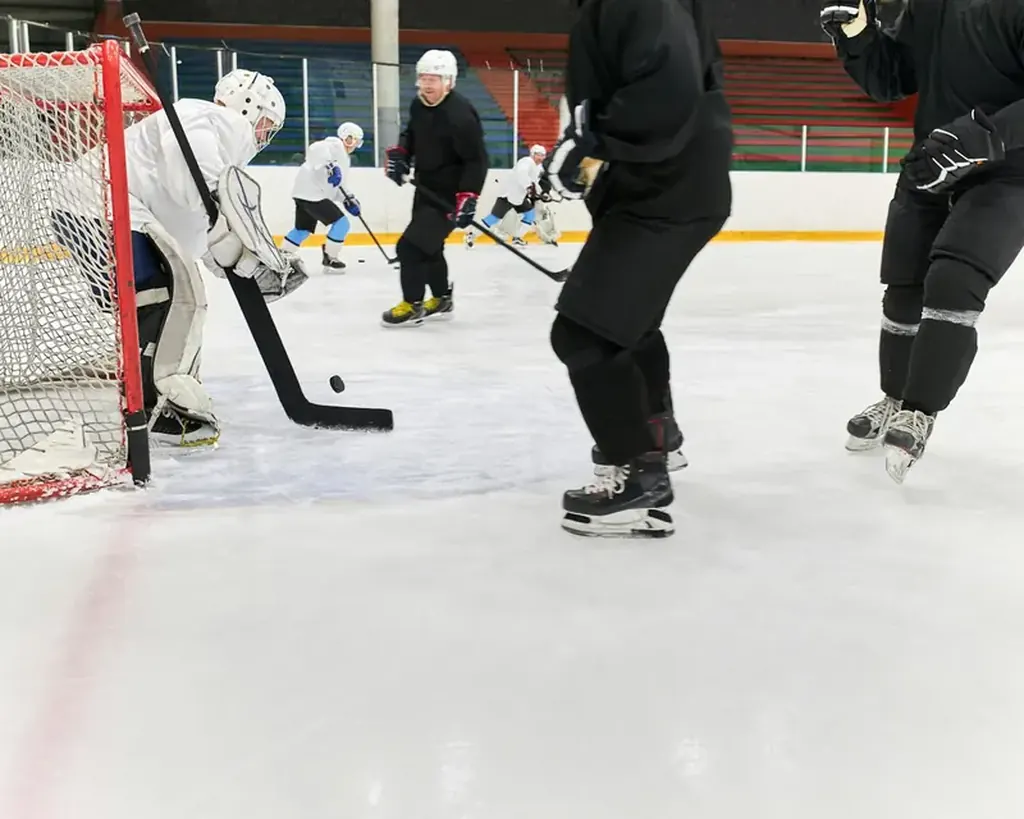
Hey Canucks fans! Ever watch a game at Rogers Arena and wonder why every player's stick looks a little different up close? Or maybe you've tried taping your own twig and realized there's more to it than just wrapping some black tape around the blade. Stick taping is a deeply personal ritual for hockey players, and the pros on the Vancouver Canucks are no exception. From grip to blade patterns, each detail can affect puck feel, shot power, and overall control. Let's break down the common terms and techniques you'll hear about in the world of NHL stick prep.
Knob
This is the thick tape build-up at the very top of the stick's shaft. It's crucial for grip and preventing the stick from slipping out of a player's top hand. Quinn Hughes might use a larger, more pronounced knob for added control during his puck-carrying rushes, while a goal scorer might prefer something smaller for quick hand movement.Grip Tape
This refers to the tape applied to the upper portion of the stick shaft where the player's bottom hand goes. Its rough texture provides friction against the glove, offering better control for stickhandling and shooting. Many players, including Elias Pettersson, use a specialized cloth grip tape instead of traditional tape for a consistent, tacky feel.Butt End
The very top of the stick shaft, before the knob. This is where the initial tape anchor for the knob is applied. How a player builds from the butt end determines the size and shape of their final knob.Tape Job
The general term for the entire process of taping a hockey stick. A "fresh tape job" is a small but satisfying piece of preparation before a game or practice. The consistency of a good tape job is something Head Coach Rick Tocchet and his staff certainly appreciate.Blade Tape
This is the tape applied to the blade of the stick, covering the face that makes contact with the puck. It's primarily used to improve puck control, provide a bit of cushioning for receiving passes, and protect the blade from wear. Players change their blade tape frequently to maintain optimal performance.Toe
The curved, rounded end of the stick blade. How a player tapes the toe—whether they use a single strip, a "toe box," or leave it partially exposed—can influence puck handling in tight spaces and the release of toe shots.Heel
The part of the blade where it meets the shaft. Tape application here is often thicker and more layered to reinforce a high-stress area of the stick. How the tape runs from the heel down the blade is a key part of a player's pattern.Wax
A hard, paraffin-based block rubbed over the blade tape. It waterproofs the tape, reducing ice and snow buildup on the blade for more consistent puck feel. It also adds a slight tackiness. Most Canucks players keep a puck of wax in their gear bag.Friction Tape
A cloth-based, adhesive tape with a gritty texture, traditionally used for grip on the shaft. While many players now use specialized grip tapes, some still prefer the classic feel and extreme grip of black friction tape for their knob and upper shaft.Shaft
The long, straight part of the stick held by the player. Tape on the shaft is almost exclusively for grip, with patterns varying from a simple spiral to a full covering for the bottom hand's position.Pattern
The specific, repeatable method a player uses to tape their stick. This includes the direction of wraps, overlap amount, and finishing technique. J.T. Miller's blade pattern is likely as deliberate as his play in the face-off circle.Layering
Refers to how many times the tape is wrapped over itself in a specific area. More layers on the blade's heel or toe create a built-up surface, while a single layer is standard across the mid-blade.Overlap
The amount each successive wrap of tape overlaps the previous one. A 50% overlap is very common for blade taping, creating a durable, double-layered effect. Less overlap can make the tape job lighter but less protective.Candy Cane
A classic grip style where a player wraps tape in a spiral pattern (often in two colors, like black and white) down a portion of the shaft, resembling a candy cane. It's a less common look in the modern NHL but a nostalgic one.Sock Tape
A lighter, less adhesive tape often used to secure socks over shin pads. It's not used for sticks, but it's a staple in every player's equipment bag. Confusing it with stick tape would be a major gear faux pas!Blade Curve
While not created by tape, the tape job must conform to the curve's unique shape. Players will often accentuate the pocket of their curve with specific taping to enhance puck cupping and shot mechanics.Toe Box
A taping method where a small square of tape is placed directly on the toe of the blade before the full blade is wrapped. This creates extra durability on a high-wear area for players who do a lot of puck digging along the boards.Ring
A thin, single wrap of tape applied around the shaft at a specific point, often used as a visual or tactile marker for hand placement. A goalie like Thatcher Demko might use a ring to ensure consistent grip height on his goal stick.Tape Bump
A small ridge or bump created by the starting point of the blade tape under the wraps. Some players feel this bump against the puck and use it as a reference point for shooting and passing.Strip
A single, lengthwise piece of tape sometimes applied down the back of the blade (the side facing the player) before the horizontal wraps. This "backstrip" can add stiffness and a clean finishing look.Channel
The slight groove formed in the blade tape from the curve of the stick and the puck's pressure over time. Players often talk about "finding the channel" for perfect puck reception.Tape Stall
The small bench area in the locker room or tunnel where players keep their tape, wax, and scissors for last-minute adjustments. It's a hub of pre-game routine and focus.Roll
A new roll of tape. Having a fresh roll is essential, as old tape can lose its adhesive or become brittle. The equipment managers for the Vancouver Canucks go through countless rolls every season.Finish
The act of securing the end of the tape job. For the blade, this usually means a firm rub with the hand to activate the adhesive, followed by a trim with scissors. A clean finish is the mark of a pro.So, the next time you see Captain Hughes weaving through the Pacific Division or Pettersson wiring a snapshot, you'll know there's a layer of personal preference and proven technique literally wrapped into every move. From the knob to the toe, each detail is a small piece of equipment optimization in a game of inches. Want to dive deeper into the gear that powers the team? Check out our main hub for all things Canucks gear and equipment. And if you're fascinated by the details of player customization, you might enjoy our look at Canucks helmet decals and customization.
Reader Comments (0)