

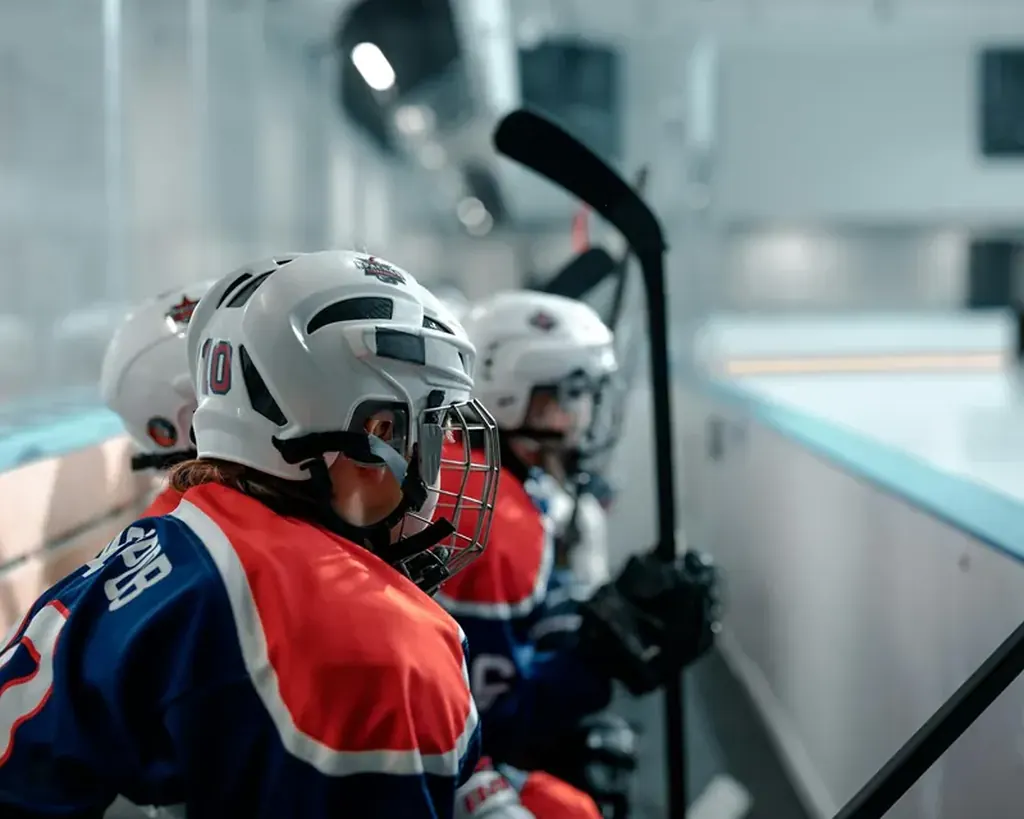
Hey Canucks fans! Whether you're suiting up for a rec league game or just want to understand the gear your favourite players rely on, the world of hockey helmets comes with its own language. From safety certifications to fit terms, it can feel like a different zone. This guide will break down all the key terms you need to know, so you can talk helmets like a pro.
CSA Certification
The CSA (Canadian Standards Association) certification is the gold standard for helmets sold in Canada. It means the helmet has passed rigorous safety tests for impact protection. Any helmet you buy for play in Canada, from a pro like Quinn Hughes to a weekend warrior, must have this sticker.HECC Certification
Primarily used in the United States, the HECC (Hockey Equipment Certification Council) certification is another major safety standard. While CSA is required in Canada, HECC is often accepted in various leagues. It’s similar to CSA but involves a different testing protocol.Multi-Directional Impact Protection System (MIPS)
MIPS is a innovative safety technology inside a helmet. It features a low-friction layer that allows the helmet to slide slightly on impact, designed to reduce rotational forces transferred to your brain. Think of it as an extra layer of protection against angled hits.Foam Liner
This is the energy-absorbing material inside the helmet shell, usually made from vinyl nitrile (VN) foam or similar. Upon impact, it compresses to absorb and dissipate force. The quality and density of this liner are crucial for a helmet's protective capabilities.Shell
The hard, outer plastic layer of the helmet that distributes impact force over a wider area. Shells are designed to be durable and resistant to penetration. They come in various designs, often incorporating ventilation holes for airflow.Cage
A metal or composite wire frame that attaches to the front of the helmet to protect the face. Full cages offer complete facial protection and are mandatory in most amateur leagues. Your favourite Vancouver Canucks players wear visors or hybrids at the NHL level.Visor
A clear plastic shield that protects the eyes and upper face while offering an unobstructed view. In the league, players like Elias Pettersson often choose visors for better visibility. They must be certified to be shatterproof.Jaw Padding
The soft, often adjustable padding along the sides and bottom of the helmet that cradles the jaw and cheeks. Proper jaw padding is essential for a snug, secure fit and helps prevent the helmet from twisting during contact.Adjustment Wheel
A dial, usually located at the back of the helmet, that you turn to tighten or loosen the fit circumference. This is the primary tool for customizing how the helmet sits on your head. A simple turn can make the difference between secure and sloppy.Suspension System
An internal web of nylon straps and adjusters that cradle your head inside the shell. It allows for airflow and helps with fine-tuning the fit. A good suspension system keeps the helmet stable without uncomfortable pressure points.Fit Profile
This refers to the general interior shape of the helmet, often categorized as round, intermediate oval, or long oval. Matching your head shape to the helmet's fit profile is the first step to finding a comfortable and safe fit.One-Inch Rule
A common fitting guideline stating there should be about one inch (or two finger widths) of space between your eyebrow and the front edge of the helmet or visor. This ensures proper sightlines and forehead protection.Two-Finger Rule
A simple test for strap tightness: you should only be able to fit two fingers between your chin and the chin strap when it's fastened. This keeps the helmet securely in place during play, just like Thatcher Demko’s stays on during a scramble in the crease.Snug Fit
A fit where the helmet is in full contact with your head without causing pressure points or pain. It should not shift or rock when you move your head side-to-side or up-and-down. A snug fit is a safe fit.Regular Fit
A term sometimes used to describe a helmet designed for a more average or round head shape. It’s important to try helmets on, as "regular" can vary by brand. Don't assume your size; always try it on, much like checking the history of Canucks jersey designs before you buy.Occipital Lobe Protection
The part of the helmet, often with extra padding, that cradles the back of your head (where the occipital lobe is located). Proper protection here is critical, as impacts to the back of the head can be particularly dangerous.Ventilation Ports
The strategically placed holes in the helmet shell that allow heat and moisture to escape. Good ventilation keeps you cooler during a long shift or an intense Stanley Cup Playoffs overtime period.Certification Expiry
Helmet certifications have an expiration date, typically 6-7 years from the date of manufacture. This is because materials can degrade over time. Always check for a valid certification sticker before using an older helmet.Half Shield
A hybrid face protection option that combines a visor for the eyes with a lower cage or protective bar for the mouth and jaw. It offers a mix of visibility and protection, a choice some players make at various levels.Ear Loops
Soft, often removable pads that cover the ears within the helmet. They provide comfort and a small degree of impact protection for the ears. Some helmets have integrated, non-removable ear covers.Custom Molded
A process where a helmet's inner liner is heated and formed to the exact contours of an individual's head. This is often done at the professional level for players like J.T. Miller to achieve a perfect, personalized fit.Cage Attachment Points
The specific slots or clips on the helmet shell designed to securely fasten a cage or visor. A secure attachment is vital to ensure the face protection doesn't detach upon impact.Chin Cup
The padded cradle at the end of the chin strap that sits comfortably under your chin. It should be centered and snug to help stabilize the entire helmet without digging in uncomfortably.Aftermarket Padding
Additional or replacement padding kits you can buy to refresh an old helmet or improve the fit of a new one. Upgrading padding can enhance comfort and safety, but it must not compromise the helmet's original structure.Understanding these terms helps you make informed choices about safety gear, whether you're playing or just appreciating the equipment that keeps the Canucks safe on the ice. A properly certified and fitted helmet is the most important piece of equipment, right up there with your passion for the team.
Reader Comments (0)