

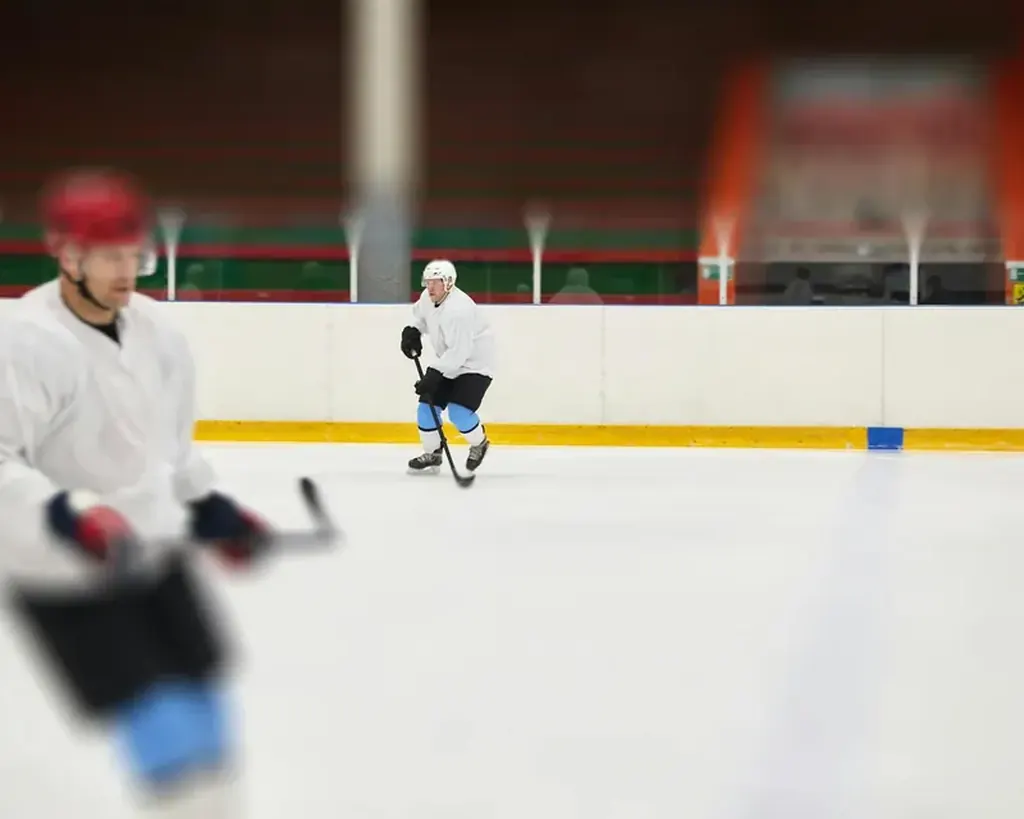
So, you’re watching the Vancouver Canucks at Rogers Arena and you see Quinn Hughes effortlessly blocking a shot, or Thatcher Demko making a sprawling pad save. Ever wonder how that gear actually fits and works? The world of hockey pad sizes and fit has its own language, and getting it right is crucial for safety and performance, whether you're suiting up for a beer league or just want to understand what our favourite players are wearing. Let's break down the key terms every Canucks fan should know.
Ankle Wrap
This refers to how the shin pad curves around and protects the ankle bone. A good wrap is essential for preventing painful puck or skate impacts in a vulnerable area. It’s a key detail to check when trying on pads, as a poor wrap can leave gaps in your protection.Bauer Supreme vs. Bauer Vapor
These are the two main fit profiles from the leading gear manufacturer, Bauer. The Supreme line is built for a "traditional" fit—more room through the thigh and calf. The Vapor line offers an "anatomical" fit, which is snugger and follows the contour of your leg. Many NHL players, including several on the Canucks, have a preference for one line over the other.Break
In gloves, the "break" refers to the natural creasing point where your fingers meet your palm. A natural break allows for better stick feel and control. When trying on gloves, make a fist to see where the material folds; it should feel comfortable and not restrictive.Calf Wrap
Similar to ankle wrap, this is how the lower part of the shin pad conforms to your calf muscle. Proper calf wrap ensures the pad stays in place during skating and doesn’t rotate, keeping the hard plastic shell directly in front of your shin at all times.Chest Protector (Shoulder Pads)
This piece protects your chest, shoulders, back, and often the top of the arms. Fit is critical: it should be snug but not limit your arm movement for shooting and passing. A player like Elias Pettersson needs a balance of protection and unrestricted mobility to unleash his shot.Curve (for goalie pads)
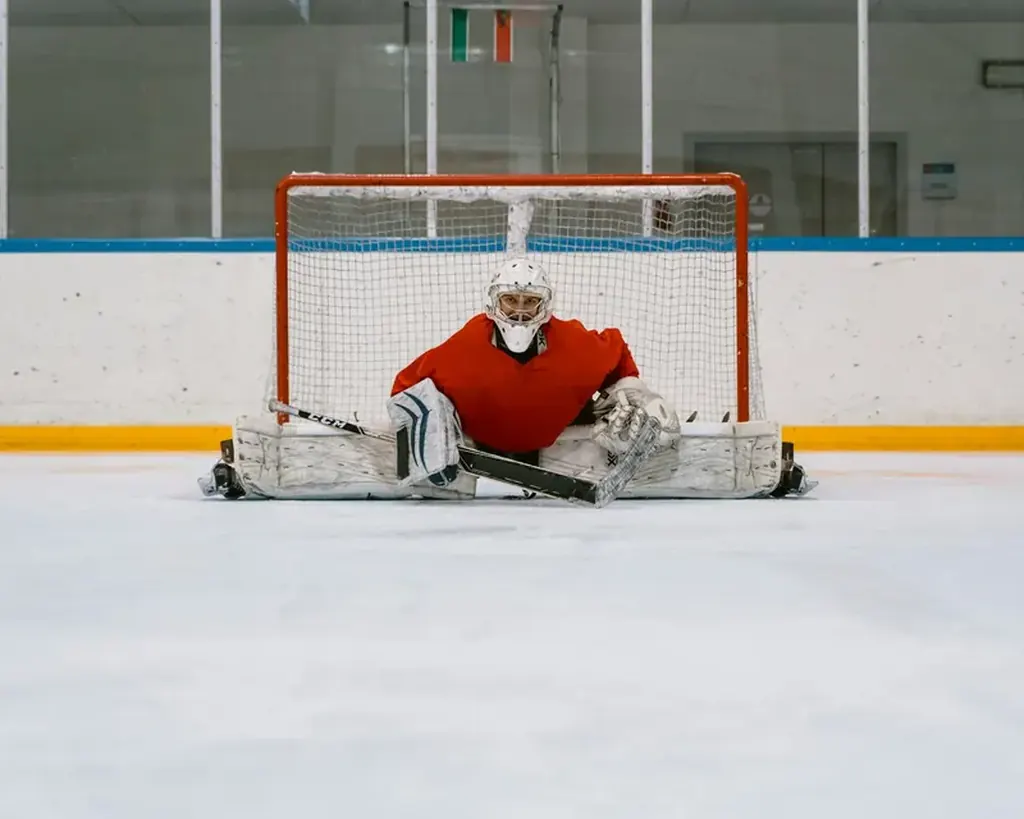
This isn't about a stick blade. For goaltenders like Thatcher Demko, the curve refers to the strategic inward bend built into the front of the leg pads. This design helps direct pucks into the corners and down into the netting, rather than allowing dangerous rebounds into the slot.Elbow Pads
These protect the elbow joint and forearm. They should sit securely with the cap centered directly on your elbow. The forearm guard should extend down to meet the top of your glove cuff without leaving a gap.Girdle
A girdle is a form-fitting, compression-style pant that holds protective cups and pads in place. Many players prefer it over traditional hockey pants for a lighter, less restrictive feel and a more customized fit. It’s then covered by a shell, which is the visible, team-coloured outer layer.Internal vs. External Knee Guard
Shin pads come with either an internal knee guard (sewn into the pad) or an external one (a separate "floating" cap attached with straps). External guards often offer more mobility and a better range of motion for deep knee bends, which is vital for a powerful skating stride.Jock (or Jill)
The essential protective cup for the pelvic region. The "jock short" variety has built-in Velcro loops to hold up your socks. Never, ever compromise on fit or quality here—this is non-negotiable for safety.Layered Protection
Modern pads use a combination of dense foam, lightweight plastics, and sometimes gel or other materials to absorb and disperse impact. This multi-layer system maximizes protection while minimizing bulk and weight.Lie
In goalie pads, the "lie" is the angle at which the pad sits on the ice when the goalie is in their butterfly stance. A proper lie ensures the five-hole (the space between the legs) is sealed without creating awkward gaps at the top of the pads.Pants (Hockey Pants)
These protect your hips, thighs, tailbone, and kidneys. They should sit on your natural waistline and allow for full rotation and flexion. The length should cover the top of your thigh pad without interfering with the top of your knee protection.Shin Pads
Arguably the most important piece of outskater armor. They must cover from just below your knee to the top of your skate tongue. A proper fit prevents the pad from sliding down and exposing your shin or riding up and limiting knee bend.Size Tiers (Senior, Intermediate, Junior, Youth)
These are broad categories based on age and physical size. More important than the tier is the specific measurement within it. A Senior medium from one brand can fit differently than a Senior medium from another, so always refer to the brand's specific size chart.Sizing Chart
Your best friend when buying gear online. Never guess your size. Use a soft measuring tape to get exact measurements of your chest, waist, height, and weight, and compare them meticulously to the manufacturer’s chart for the specific product line.Skate Tongue
Where your shin pad meets your skate is crucial. The "tongue" of your skate must be compatible with your shin pad. Some players tuck their tongue under the pad, while others prefer it over the tongue ("flop tuck"). This affects feel, mobility, and protection.Slack
A term often used for shoulder and elbow pads. A little slack means the pad isn’t skin-tight, allowing for air flow and a bit of movement. Too much slack, however, and the pad will shift out of position, leaving you unprotected.Strap System
The network of straps, buckles, and elastic that holds your pads in place. Modern systems often use elasticized "wrap-around" straps for a secure, comfortable hold without needing to be cranked too tight, which can cut off circulation.Thigh Guard
The part of the shin pad that protects the front of your thigh. It should sit flat against your leg without pinching or buckling when you bend your knee. A gap here is a prime target for a stinging puck.Total Range of Motion (ROM)
The ultimate test for any piece of gear. After strapping everything on, you should be able to skate, crouch, stickhandle, and shoot without the gear pulling, pinching, or restricting your movement. If it hinders your ROM, it’s not the right fit.Try-In-Store (The Golden Rule)
If at all possible, always try gear on before buying. Mimic hockey movements: squat, lunge, rotate your torso, swing your arms. What feels fine standing still might be terrible in a skating position. This is the most important step in the entire process.Getting the right fit in hockey gear isn't about looking the part—it's about safety, performance, and comfort. Just as Head Coach Rick Tocchet emphasizes systems and structure for the Canucks, having your personal equipment dialed in is a foundational system for your own game. Whether you’re inspired by J.T. Miller’s durability or Quinn Hughes’ agility, it all starts with gear that fits you perfectly. Now you can watch the NHL action at Rogers Arena with a whole new appreciation for what’s underneath those Canucks jerseys.
Reader Comments (1)