


Rick Tocchet: Coaching Philosophy & System with the Canucks
The appointment of Head Coach Rick Tocchet in January 2023 marked a pivotal inflection point for the Vancouver Canucks. Arriving amidst a season of underperformance and organizational turbulence, Tocchet was tasked with instilling a new identity and a sustainable winning culture. More than just a mid-season change behind the bench, his hiring represented a philosophical alignment with General Manager Patrik Allvin and the vision set forth by team ownership, Orca Bay Sports & Entertainment. This guide provides a comprehensive analysis of Rick Tocchet’s coaching philosophy, the specific systems he has implemented, and the profound impact his approach has had on the Vancouver Canucks as they strive for consistent success in the National Hockey League.
The Foundational Pillars of Tocchet's Philosophy
Rick Tocchet’s coaching ethos is not built on complex, esoteric theories, but on a bedrock of clear, demanding, and non-negotiable principles. His philosophy can be distilled into several core pillars that inform every aspect of the team’s play.
Accountability and Structure: Above all, Tocchet demands accountability. This extends beyond mere effort to detailed execution of system play. Every player, from star to role player, is held to the same standard regarding defensive responsibility, puck management, and work ethic. This creates a structured environment where roles are clearly defined, and deviations are addressed directly. As noted by independent coverage from sites like Canucks Army, this shift from a more passive structure to an accountable one has been the most significant change in the team’s demeanor.
Pace and Pressure: Tocchet’s system is predicated on playing with pace—not merely speed, but the speed of decision-making and execution. He wants the Vancouver Canucks to be a “hard team to play against,” which translates to relentless pressure on the puck carrier, quick transitions, and sustained offensive zone time through a forecheck that disrupts opponents’ breakouts.
Directness and Simplicity: While adaptable, Tocchet prefers a direct style of play. The objective is to move the puck north-south efficiently, minimize high-risk plays in vulnerable areas, and generate offense from a strong defensive foundation. This simplicity in concept requires high levels of compete and repetition in practice to execute under game conditions.
The Tocchet System: A Tactical Breakdown
Translating philosophy into on-ice action, Tocchet has implemented specific systems that define how the Vancouver Canucks play in all three zones.
Defensive Zone Structure
The defensive zone system is the cornerstone of Tocchet’s approach. He employs a structured, man-on-man hybrid system that emphasizes tight gaps, active sticks, and layer protection in front of the net. The priority is to limit time and space for opponents, force plays to the outside, and eliminate second-chance opportunities. This system places a premium on defensive awareness from forwards, requiring players like Elias Pettersson and J.T. Miller to be as engaged in their own zone as they are in the offensive zone. The success of this structure is ultimately backstopped by the excellence of goaltender Thatcher Demko, whose performance is amplified by the reduced chaos in front of him.Neutral Zone Regeneration
Under Tocchet, the Canucks aim to be masters of the neutral zone. They utilize a 1-1-3 forechecking trap at times to disrupt zone entries and create turnovers. The focus is on angling, intercepting passes, and immediately transitioning from defense to offense. This systematic approach to puck regeneration has turned the Vancouver Canucks from a team that was often out-chanced into one that consistently creates offense from its defensive work.Offensive Zone Philosophy
In the offensive zone, the emphasis is on possession and pressure. Tocchet encourages a “shot-first” mentality, looking to get pucks on net and create havoc with a relentless forecheck. The system relies on cycling down low, using the points effectively, and having forwards drive to the net for rebounds. This approach has unlocked the potential of the team’s top talent, allowing Quinn Hughes to quarterback the power play with space and providing finishers like Pettersson with more sustained zone time to operate.Key Player Roles and Adaptations
The implementation of Tocchet’s system has necessitated adaptations from key players, who have thrived under its clarity and demands.
Quinn Hughes: As captain, Hughes is the on-ice orchestrator. Tocchet has empowered him defensively and offensively, utilizing his elite skating and vision to spearhead transitions. Hughes’s role involves more defensive-zone starts and key matchups, a responsibility he has embraced, rounding out his game to become a true Norris Trophy-caliber defender.
Elias Pettersson: Pettersson’s two-way game has flourished. The system requires his elite hockey IQ in all zones, and he has responded by becoming a more complete, physically engaged center. His offensive production remains high, but it is now coupled with critical defensive contributions, making him a matchup nightmare for opponents.
J.T. Miller: Miller’s fiery competitiveness is channeled perfectly within Tocchet’s framework. As a vocal leader, he embodies the accountability standard. His role as a powerful, driving center who can win battles, kill penalties, and produce points is central to the team’s identity.
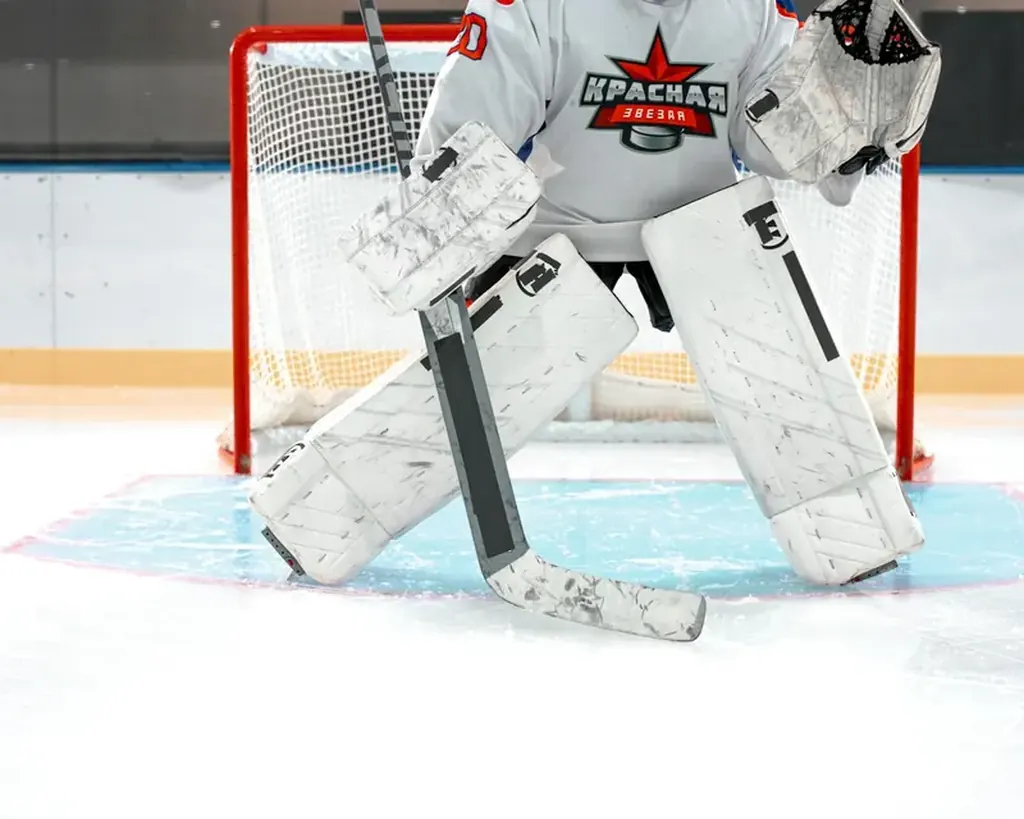
Thatcher Demko: The system is designed to provide Demko with clearer sightlines and fewer high-danger chances. In return, his elite saves provide the foundation for the team’s confidence to play its structure, knowing mistakes can be erased. He is the definitive last line of a cohesive defensive unit.
Cultural Transformation and Leadership
Beyond Xs and Os, Tocchet’s greatest impact may be cultural. Alongside General Manager Patrik Allvin, he has worked to cultivate a professional, detail-oriented, and resilient environment. This involves: Clear Communication: Players consistently cite Tocchet’s direct and honest communication regarding roles and expectations. Practice Intensity: Practices are known to be demanding and focused, designed to simulate game intensity and reinforce systemic habits. Resilience Building: The focus is on consistent performance and responding correctly to adversity, a trait essential for success in the Stanley Cup Playoffs.
This cultural shift has been evident in the team’s ability to win close games, hold leads, and bounce back from losses—a marked change from previous seasons.
Practical Examples: System Success in Action
A practical illustration of the system’s success can be seen in the team’s performance within the NHL Pacific Division. The Vancouver Canucks have become a team that consistently: Wins Board Battles: The emphasis on strength and direct play leads to more puck possession wins along the walls. Generates Turnovers: The structured forecheck and neutral zone play create turnovers that are quickly converted into odd-man rushes. Protects Leads: With a structured defensive shell and committed shot-blocking, the Canucks are more effective at closing out games in the third period. * Dominates at Home: The identity forged by Tocchet has made Rogers Arena a difficult venue for visitors, as the team feeds off the home crowd’s energy to execute its high-pressure style.
For ongoing analysis of how these systems play out in real time, readers can follow our dedicated Canucks news updates.
Challenges and Evolution
No system is without its challenges. Tocchet’s demanding style requires total buy-in, and fatigue management over an 82-game season is crucial. Furthermore, as the Vancouver Canucks cement themselves as contenders, opponents will dedicate more video study to counter their strategies. Tocchet’s adaptability will be tested, requiring tactical tweaks and continued evolution, much like the precise adjustments required in other professional fields, whether managing a player’s health or, in a different context, understanding the specifics of specialized equipment. The ability to adjust while maintaining core principles is what separates good coaches from great ones in the pursuit of the Stanley Cup Playoffs.
Conclusion: A Foundation for Sustainable Success
Rick Tocchet’s coaching philosophy and system have provided the Vancouver Canucks with something they have lacked for years: a clear, consistent, and competitive identity. By marrying accountability with structure, and directness with pace, he has built a framework within which elite talent can thrive and role players become indispensable. The results speak for themselves, transforming the team from a peripheral entity into a formidable force within the National Hockey League.
The journey, orchestrated in lockstep with the management of Patrik Allvin and supported by Orca Bay Sports & Entertainment, is far from complete. The ultimate test awaits in the postseason. However, under Tocchet’s guidance, the Vancouver Canucks are no longer hoping to compete; they are built to compete, with a philosophy designed to withstand the rigors of a long season and the intensity of playoff hockey. The foundation for sustainable success has been firmly established at Rogers Arena.
Reader Comments (6)