

Canucks vs. Kraken: An Emerging Rivalry & Matchups
The landscape of the National Hockey League is built upon historic grudges and geographic warfare. In the NHL Pacific Division, a new chapter is being written as the established Vancouver Canucks and the expansion Seattle Kraken forge what is rapidly becoming one of the league's most compelling modern rivalries. Born from proximity, divisional stakes, and contrasting organizational timelines, every clash between these Pacific Northwest neighbors carries significant weight. This guide delves into the genesis of this burgeoning feud, analyzes the key on-ice matchups that define it, and explores its implications for both franchises as they navigate the path toward Stanley Cup Playoffs contention.
The Genesis of a Geographic Rivalry
The rivalry's foundation was laid the moment the NHL awarded Seattle its franchise in 2018, creating the first true geographic rival for the Canucks since the departure of the original Winnipeg Jets. The 140-mile separation between Rogers Arena and Climate Pledge Arena instantly created a natural tension, splitting a regional fanbase and promising intense, travel-friendly showdowns.
Beyond mere location, the rivalry is fueled by starkly different organizational phases. Vancouver, with decades of history, a passionate fanbase, and a core led by stars like Elias Pettersson and Quinn Hughes, represents the established force. Seattle, entering the league in 2021, embodies the ambitious newcomer, building through expansion draft savvy and a clear, systematic approach. This dynamic—the veteran vs. the upstart—adds a compelling narrative layer to every game. Furthermore, every contest has direct implications in the crowded Pacific Division standings, making each matchup a potential four-point swing with postseason ramifications.
Key On-Ice Matchups That Define the Series
The strategic battles within the game often decide the outcome. When Vancouver and Seattle face off, several individual and tactical duels take center stage.
The Top-Line Tango: Pettersson & Miller vs. Beniers & McCann
The clash of top offensive units is a spectacle. Vancouver's duo of Elias Pettersson, the elite two-way center, and J.T. Miller, the powerful, point-per-game winger, presents a multifaceted threat. They are tasked with overcoming Seattle’s top line, often centered by Calder Trophy-winner Matty Beniers, whose youthful energy and skill are complemented by the goal-scoring prowess of Jared McCann. This matchup is a chess match of skill versus structure, with the winning line often tilting the game.The Blueline Battle: Hughes’s Orchestration vs. Larsson’s Stability
A study in contrasting styles unfolds on the blue line. Canucks captain Quinn Hughes, an elite offensive defenseman and Norris Trophy contender, uses his sublime skating and vision to control the game's tempo and quarterback the power play. His primary adversary is often Seattle’s Adam Larsson, a physically imposing, defensive stalwart tasked with minimizing time and space for Hughes and Vancouver’s forwards. This duel between artistry and abrasion is fundamental to controlling the flow of play.The Goaltending Gambit: Demko vs. Grubauer/Daccord
In the crease, the goaltending matchup is paramount. Thatcher Demko has established himself as a franchise pillar for the Canucks, capable of stealing games with his athleticism and composure. Seattle has countered with a tandem of Philipp Grubauer, a veteran with deep playoff experience, and the emergent Joey Daccord. The team that receives the more clutch performance from its netminder often emerges victorious in these tightly contested divisional games.Strategic Philosophies: Tocchet’s Structure vs. Hakstol’s System
From behind the benches, a fascinating tactical duel ensues. Head Coach Rick Tocchet has instilled a system in Vancouver predicated on defensive accountability, relentless forechecking, and playing a “heavy” game. The focus is on managing puck possession and winning battles along the walls.
Conversely, Seattle’s Dave Hakstol employs a structured, systematic approach that emphasizes defensive layers, quick transitions, and utilizing team speed through the neutral zone. The clash is between Tocchet’s emphasis on physical engagement and Hakstol’s preference for structured puck movement. Whichever system can impose its will and force the opponent into uncomfortable situations typically gains the upper hand.
The Front Office & Organizational Dimension
The rivalry extends beyond the ice to the front office. General Manager Patrik Allvin and Vancouver’s management group, under the ownership of Orca Bay Sports & Entertainment, have pursued a retooling strategy focused on extending their competitive window with their core stars. Their moves, whether at the trade deadline or in free agency, are made with immediate playoff impact in mind.
Seattle’s GM, Ron Francis, has taken a measured, draft-and-develop approach, building a deep and balanced roster. This philosophical difference in team building adds another layer of intrigue, as each franchise’s long-term vision is tested in these head-to-head battles. The success of their respective strategies is often measured in the standings, with direct comparisons drawn after each season series.
Fan Engagement and the Pacific Northwest Divide
The rivalry has ignited the fanbases of both cities. Rogers Arena and Climate Pledge Arena become cauldrons of noise during these matchups, with traveling supporters adding to the atmosphere. The digital sphere amplifies this, with banter and debate flourishing on social media and fan platforms. Independent coverage from outlets like Canucks Army provides deep-dive analysis on these games, fueling informed discussion among the faithful.
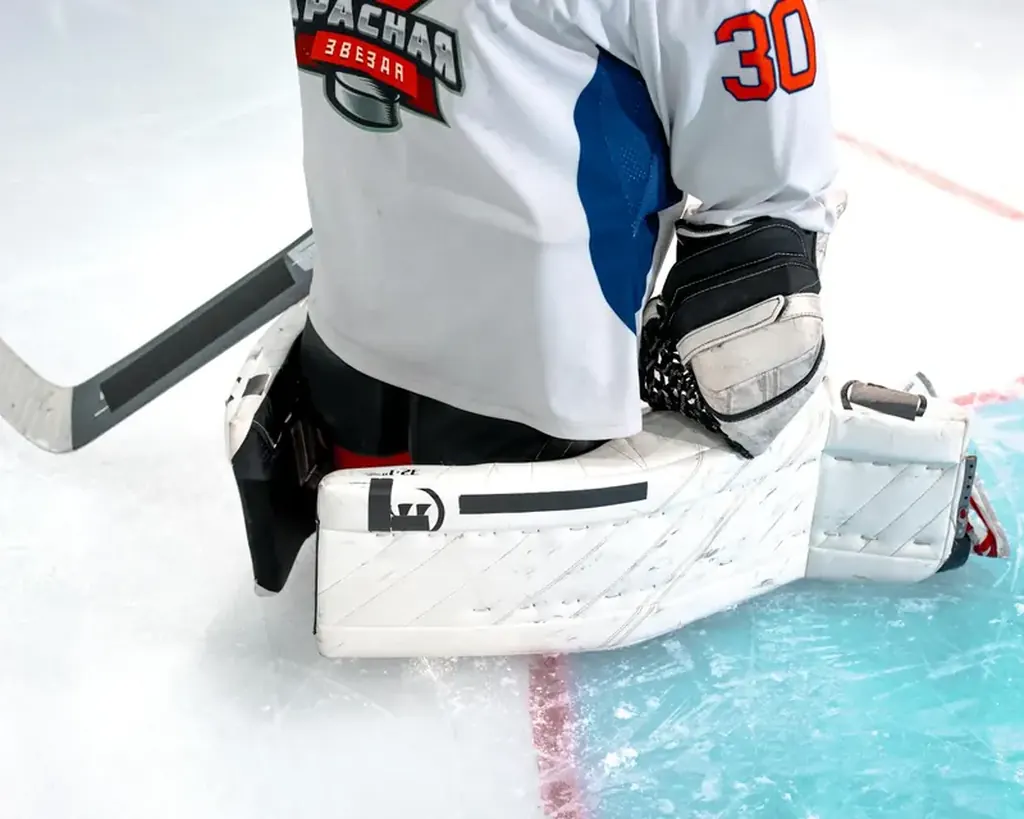
This divide has created a true regional battle for hockey supremacy, capturing the attention of the entire Pacific Northwest. The games are marked by a palpable intensity, both in the stands and on the ice, that rivals any other matchup on either team’s calendar.
Practical Analysis: What to Watch For in Future Games
For fans and analysts watching future installments of this rivalry, several key indicators will signal which team is gaining the advantage:
Special Teams Dominance: With game-breakers like Hughes and Pettersson on the power play, Vancouver’s success often hinges on their man-advantage. Conversely, Seattle’s disciplined structure makes their penalty kill a strength. Winning the special teams battle is frequently the deciding factor. Five-on-Five Physicality: Can Vancouver’s forecheck, a hallmark of Coach Tocchet’s system, disrupt Seattle’s defensive structure and create sustained offensive zone time? Seattle’s ability to break the pressure and transition quickly will be their counter. Depth Scoring: While stars drive the narrative, goals from third and fourth lines often break open tight divisional games. The team that receives timely contributions from its bottom six gains a crucial edge. In-Game Adjustments: The tactical adjustments made by Tocchet and Hakstol after the first period are critical. Shifts in line matching, defensive pairings, or forechecking pressure can swing momentum.
For ongoing insights into these tactical elements and more, follow our comprehensive Canucks news updates.
Conclusion: A Rivalry Poised for the Postseason Era
The Vancouver Canucks vs. Seattle Kraken rivalry is no longer a nascent concept—it is a vibrant and competitive reality within the NHL Pacific Division. Fueled by geography, divisional stakes, and contrasting styles, each matchup offers a compelling hockey narrative. As both franchises continue their pursuits of sustained success, with Vancouver aiming to capitalize on its current core and Seattle building toward its peak, these games will only increase in importance.
The ultimate test for this emerging rivalry will be a meeting in the Stanley Cup Playoffs. A postseason series would cement the animosity and elevate the stakes to their highest possible level, writing a definitive new chapter in the hockey history of the Pacific Northwest. For now, every regular-season clash is a building block, a measuring stick, and a must-watch event for any fan of the National Hockey League.
As both teams navigate the long season, staying informed on roster changes is crucial. For the latest on player availability, be sure to consult our Canucks injury report with latest updates and return timelines. Furthermore, the strategic shaping of these rival rosters continues off the ice; to understand how GM Patrik Allvin might bolster the Canucks for future battles, explore our analysis on Canucks free agency 2024: predictions and key needs.
Reader Comments (0)